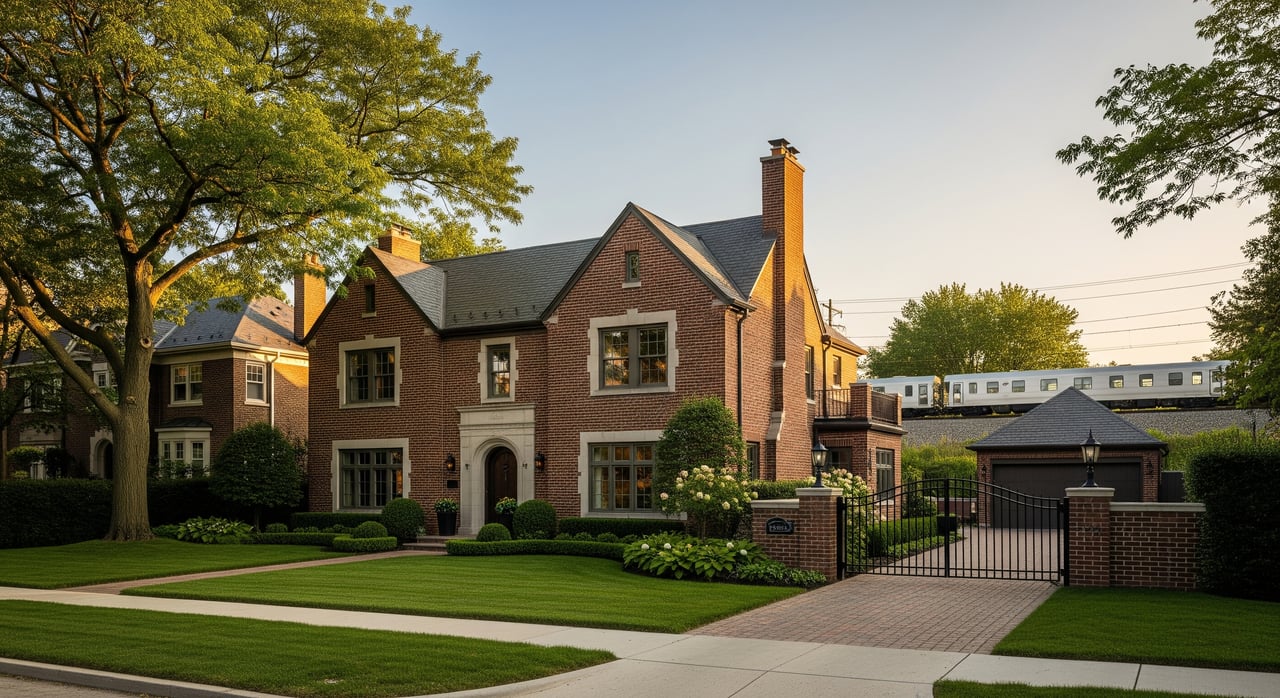
You want an easy Metra ride, a lively downtown, and a home that makes hybrid work simple. La Grange in Cook County checks those boxes, especially if you buy near the BNSF Railway Line to Union Station. In this guide, you’ll learn how the commute works, what each station area offers, how parking and walkability compare, and how to align your housing search with your work schedule. Let’s dive in.
Why the BNSF works in La Grange
The Metra BNSF Railway Line links La Grange to Chicago’s Union Station and western suburbs. During peak hours, service is frequent, with both express and local trains. From La Grange, express rides to Union Station typically take roughly 20–30 minutes, while locals can take longer. Always confirm exact times using the current Metra BNSF timetable.
If you follow a hybrid work schedule, pay attention to midday and reverse-peak trains. They run less frequently than rush-hour service, so it helps to plan around the published inbound and outbound options. Review the schedule details on Metra’s site to confirm the trains you’d use most.
Meet La Grange’s BNSF stations
La Grange is served by two BNSF stations that anchor different parts of the village. Living near either one can make your commute smoother. Knowing which fits your routine helps narrow your home search quickly.
La Grange Road station
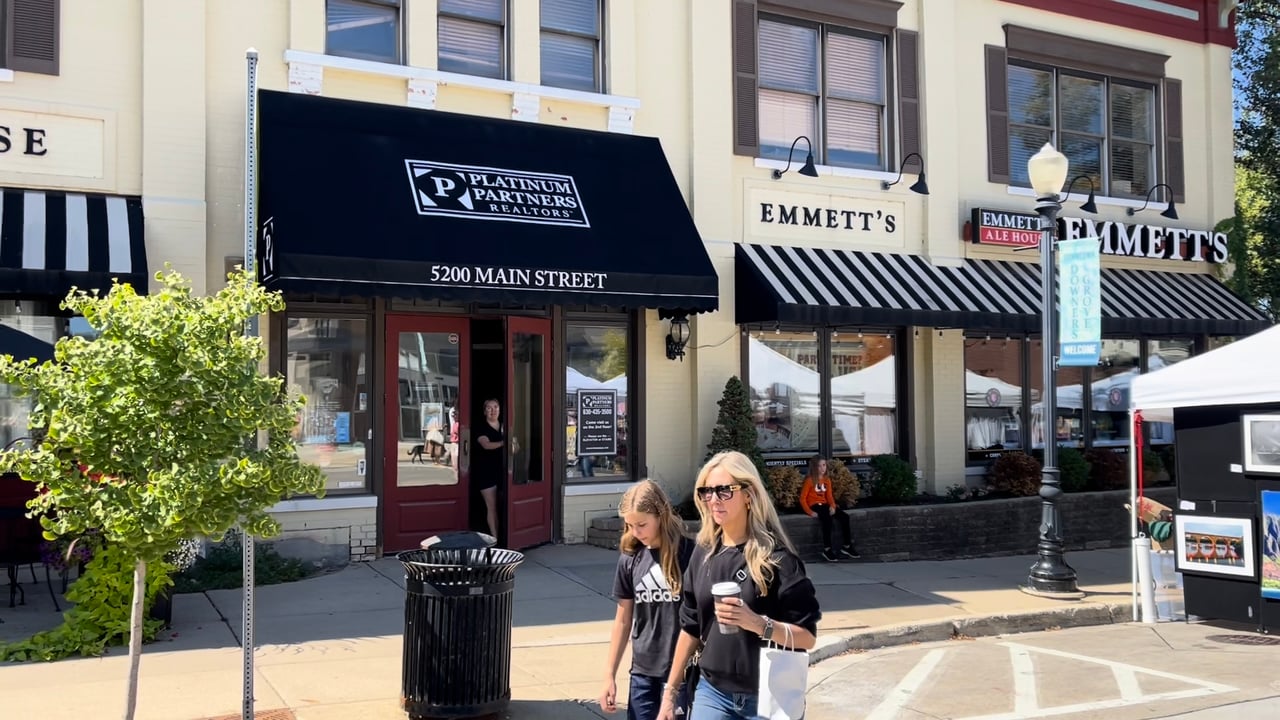
This station sits by the village’s central business district. If you want to grab coffee, pick up groceries, or meet friends after work, this location puts you close to a compact downtown with restaurants, services, and daily needs. A 5–10 minute walk radius often includes blocks with sidewalks and frequent pedestrian activity.
For buyers who prioritize a car-light lifestyle, this area is a strong match. Check the address-specific walk, transit, and bike scores on Walk Score to compare blocks within a quarter mile to a half mile of the station.
Stone Avenue station
Stone Avenue serves a more residential pocket with a calmer feel. You still get solid walkability on key streets and access to nearby amenities, but it can feel quieter than the main downtown core. Many buyers use bikes, quick drop-offs, or a short drive to pair this setting with the same BNSF convenience.
If you plan to work from home several days a week, Stone Avenue can offer a balance of neighborhood comfort and manageable access to the platform. Confirm your preferred route and timing during rush hour and midday.
Walkability and daily amenities checklist
Downtown La Grange is known for its compact commercial district, which supports car-light routines and quick errands before or after a train ride. When you compare addresses, look for:
- Grocery, markets, or pharmacies within a short walk or bike ride.
- Coffee shops, casual restaurants, and evening options for easy meetups.
- Daycare, dry cleaning, banks, and fitness options that save you time.
- Sidewalk continuity, crosswalks, lighting, and bike-rack availability near the station.
You can gauge address-level walk, transit, and bike ratings on Walk Score as a first pass, then verify conditions in person at the times you’d use the area.
Parking, drop-offs, and first-mile options
Commuter parking near La Grange’s BNSF stations includes permit lots, daily-pay spaces, and limited on-street options. Policies and rates change by season and lot, so verify current rules, waitlists, and payment methods with the Village of La Grange and on Metra’s site.
If you drive some days and ride others, look for lots that offer daily payment or guest options. Many commuters pair rideshare drop-offs or bike trips with rail, which can be helpful when lots are full. Check bike rack locations, sidewalk connections, and safe pick-up points before you commit to a home.
Housing near the stations: what to expect
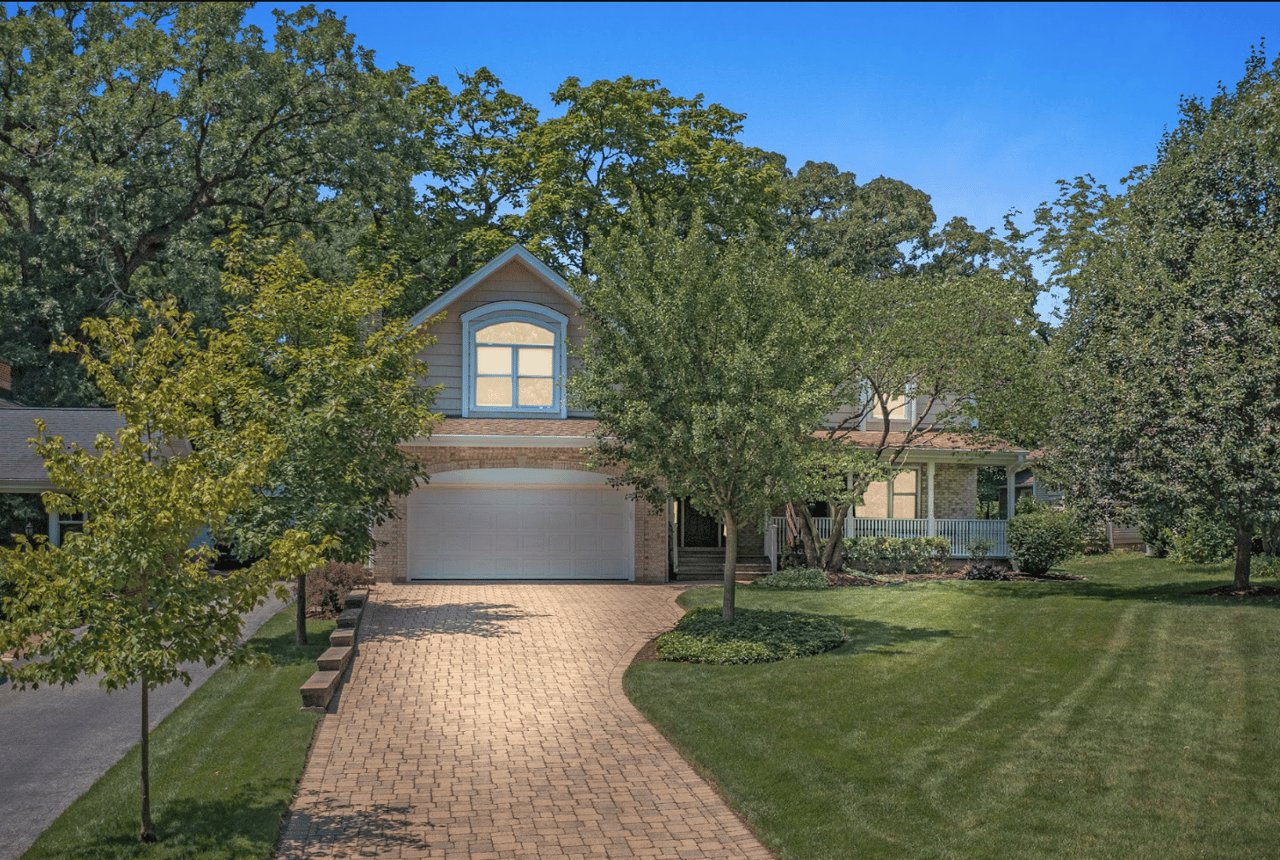
Within roughly a half mile of La Grange’s stations, you’ll find more condos, townhomes, smaller-lot single-family homes, and some older two-flats or small multifamily buildings. These areas trade lot size for a short walk and quick access to downtown amenities.
From about 0.5 to 2 miles out, you’ll see more single-family homes on larger lots and newer subdivisions on the village edge. Many buyers accept a short bike ride or quick drive to the station to gain extra space, yard size, or newer construction.
Proximity to a busy commuter station often supports demand and can carry a price premium, especially for homes with strong walkability and off-street parking. The exact premium varies with condition, lot size, and the broader market. If you value both commute ease and at-home space, mid-distance locations can be a smart compromise.
Taxes, schools, and due diligence
Property taxes in Cook County vary by assessed value and exemptions, so compare parcel-level histories on the Cook County Assessor. If a home is part of a condo or townhome association, factor HOA fees, what they cover, and any parking provisions into your budget.
School attendance areas can differ by block. La Grange addresses are primarily served by local elementary districts and Lyons Township High School District. Confirm exact school boundaries for any property with the district before making an offer. School considerations can influence long-term resale demand.
If you are looking at older homes near historic downtown blocks, plan for a thorough inspection. Ask about electrical, plumbing, foundation updates, and any noise or vibration mitigation related to proximity to rail.
How to compare prices by distance
To understand the value of being near the station, use a simple, radius-based approach with your agent:
- Define radii. Compare sold comps within 0.25 mile, 0.5 mile, and 1 mile of your target station.
- Filter by type and size. Match bed/bath count, lot size, and condition as closely as possible.
- Track key metrics. Note price per square foot and days on market in each radius.
- Compare patterns. Look for consistent premiums or faster absorption near the station.
- Re-check monthly. Markets shift quickly, so refresh the data before writing offers.
Your agent can pull live MLS data and map-based comps to keep you current and help you price in convenience without overpaying.
A smart buyer’s checklist
- Commute fit: Confirm your most-used trains and travel windows on the Metra BNSF timetable. Time your walk and wait.
- Parking plan: Review permit rules, daily-pay options, and waitlists with the Village of La Grange. Check guest parking rules for your block.
- Noise and proximity: Visit the property at different times. Ask about window upgrades or landscaping that reduce noise.
- Walkability vs space: Decide your trade-off. Is a 5–10 minute walk worth a smaller lot, or would you rather bike or drive from a larger home?
- Schools and taxes: Verify school boundaries and compare parcel assessments on the Cook County Assessor.
- Safety and lighting: Review village resources and visit at night to evaluate lighting and foot traffic on your specific route.
Plan your move with local guidance
When you buy near a commuter line, small details make a big difference. Block-by-block walkability, parking rules, and train frequency all shape daily life. We help you compare those trade-offs so you can choose a home that fits your routine and holds value over time.
If you want a clear plan tailored to your commute and budget, connect with The Tully Team. Thinking about selling before you buy? Get your free home valuation.
FAQs
Which La Grange BNSF station is closest to downtown businesses?
- La Grange Road station anchors the village’s central business district; verify exact locations and platforms on Metra’s site and confirm walking routes in person.
How long is the BNSF commute to Union Station from La Grange?
- Typical express rides are roughly 20–30 minutes, with locals taking longer; check the current Metra BNSF timetable for precise trains and times.
What parking options exist at La Grange BNSF stations?
- Expect a mix of permit lots, daily-pay spaces, and limited on-street parking; view current rules, rates, and availability with the Village of La Grange and Metra.
Is there a price premium for living within walking distance of the station?
- Often yes, but it varies by condition, lot size, and market; use radius-based sold comps with your agent to quantify premiums for your property type.
What housing types are common within a half mile of the stations?
- You’ll see more condos, townhomes, smaller-lot single-family homes, and some older small multifamily buildings near the station areas.
How safe and well lit are walks to the station at night?
- Conditions vary by block; review village safety resources, check lighting along your route, and visit at the times you would normally travel.
Do school districts and property taxes differ by address in La Grange?
- Yes, boundaries and assessments are parcel specific; confirm school assignments with the district and compare tax histories on the Cook County Assessor.