By Faith Rosenshein Young | The Tully Team at Platinum Partners Realtors
Automated License Plate Reader (ALPR) technology has transitioned rapidly from highway enforcement to suburban entryways. Across DuPage County, local police departments in municipalities such as Warrenville, Naperville, Wheaton, Downers Grove, and West Chicago operate municipal ALPR camera networks for public safety. Simultaneously, a growing number of private Homeowners Associations (HOAs) are installing solar-powered cameras directly at subdivision entrances, exits, and community amenities.
For real estate transactions, this technology represents a notable shift. While promoted as a security amenity, license plate readers also introduce data management, oversight, and privacy considerations that buyers and sellers should understand before closing a transaction.
The "Kleenex Effect" and the Market Landscape
The term "Flock camera" is frequently used by the public as a generic term for any automated license plate reader pole, similar to how consumers use "Kleenex" to describe facial tissue or "Xerox" for photocopies. While Flock Safety is the dominant brand across Illinois residential subdivisions due to its subscription lease model, it is not the only provider.
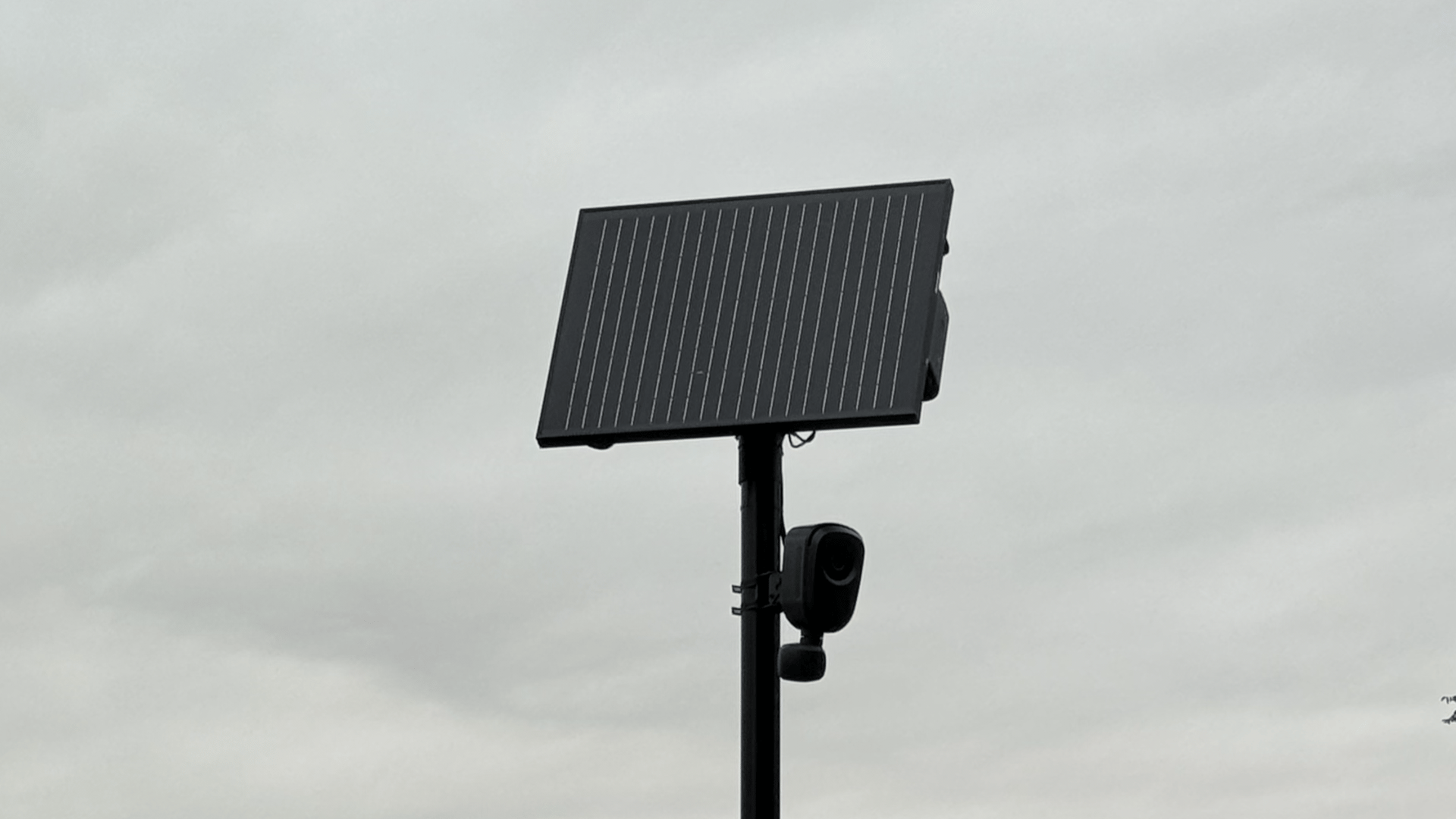
HOAs and municipalities utilize several competing platforms depending on their infrastructure needs:
Motorola Solutions (Vigilant): Widely used by enterprise law enforcement and large municipal police forces, integrating directly with 911 dispatch systems.
Rekor Systems: Uses an open software model that can convert existing, non-Flock security cameras into AI-powered plate readers without replacing hardware.
Verkada: Offers cloud-based systems that combine entrance license plate readers, pool access cards, and clubhouse security into a single management application.
Proptia and Genetec: Specialized systems for gated communities that read license plates to automatically trigger and open physical gate arms for residents.
Why Neighborhood Surveillance Is in the News Right Now
Surveillance technology has become an active discussion topic across the Chicago suburbs due to a heightened focus on data oversight. Recent headlines and municipal reviews in DuPage County, including internal audits of police technology in towns like West Chicago and Itasca, alongside policy reviews by the DuPage County Legislative Committee, have drawn public attention to how surveillance data is accessed, stored, and audited.
Additionally, municipal discussions regarding public perimeter cameras versus private subdivision units reflect a growing demand from buyers and residents for clear community standards. In Warrenville, for example, the city and police department responded to resident inquiries at City Council meetings by hosting a public forum to explain how the city's 14 perimeter cameras operate, clarify 30-day data retention limits, and distinguish municipal oversight from private HOA camera installations.
How Private HOA License Plate Readers Function Locally
Unlike traditional closed-circuit television (CCTV) that records continuous video, ALPR cameras capture high-speed, motion-triggered still photographs of vehicles entering or leaving a property. The software logs:
License plate numbers and issuing states.
Vehicle attributes, including color, make, model, and body style.
Unique identifying markers, such as damage, custom rims, or bumper stickers.
These cameras do not record continuous video, capture audio, or use facial recognition technology. However, private HOAs deploy and manage these systems in specific ways:
Sharing Network Data with Law Enforcement: Private HOAs can choose whether their camera feed integrates with local police databases. When enabled, if a vehicle flagged in a law enforcement database enters the subdivision, local police receive an automated alert.
The "Safe List" Privacy Feature: To address privacy concerns, some HOAs utilize a "Safe List" feature. This allows residents to register their license plates so their routine daily entry and exit logs are excluded from local HOA activity summaries.
The Municipal vs. Private Network Effect: Because private HOA cameras frequently supplement municipal law enforcement networks, buyers driving through DuPage County often encounter continuous camera coverage transitioning between public roadways and private subdivisions.
Why CC&Rs Are Frequently Silent on ALPR Cameras
A primary challenge for home buyers in DuPage County is that traditional HOA governing documents, such as Covenants, Conditions, and Restrictions (CC&Rs), are frequently silent on camera installations and surveillance policies. There are three core reasons why this information is absent from standard declarations:
- Outdated Governing Documents: Most HOA CC&Rs were drafted decades ago when the community was built. Amending CC&Rs requires a formal vote that typically demands a high supermajority (often 67% to 75%) of all homeowners. Because formal amendments are expensive and difficult to pass, HOAs rarely update CC&Rs for new technology.
- Broad Board Authority Over Vendor Contracts: Under standard HOA bylaws, elected board members have the authority to sign operational service contracts (such as landscaping or security services) without a full community vote. Boards typically treat vendor subscriptions to technology like Flock Safety as operational security contracts rather than permanent capital improvements.
- Surveillance Handled via Rules & Regulations: Rather than altering CC&Rs, boards manage security rules through administrative "Rules & Regulations." These rules can be updated by a simple board vote, but they are not recorded with the county recorder’s office or included in preliminary title searches.
Why Buyer Perspectives Vary
Real estate clients view ALPR networks through different lenses:
- Security Integration: Proponents view ALPRs as an effective deterrent against property crime, vehicle theft, and unauthorized trespassing.
- Privacy and Governance: Privacy-conscious buyers express concerns regarding mass surveillance, data security, retention timelines, and potential HOA board misuse. Furthermore, emerging artificial intelligence tools are beginning to allow HOAs to cross-reference neighborhood footage to identify covenant violations, such as unauthorized street parking or improper trash container placement.
How Buyers Can Verify HOA Camera Use
Because standard seller disclosures rarely require declaring neighborhood license plate readers, buyers can verify camera usage during the search and contract process:
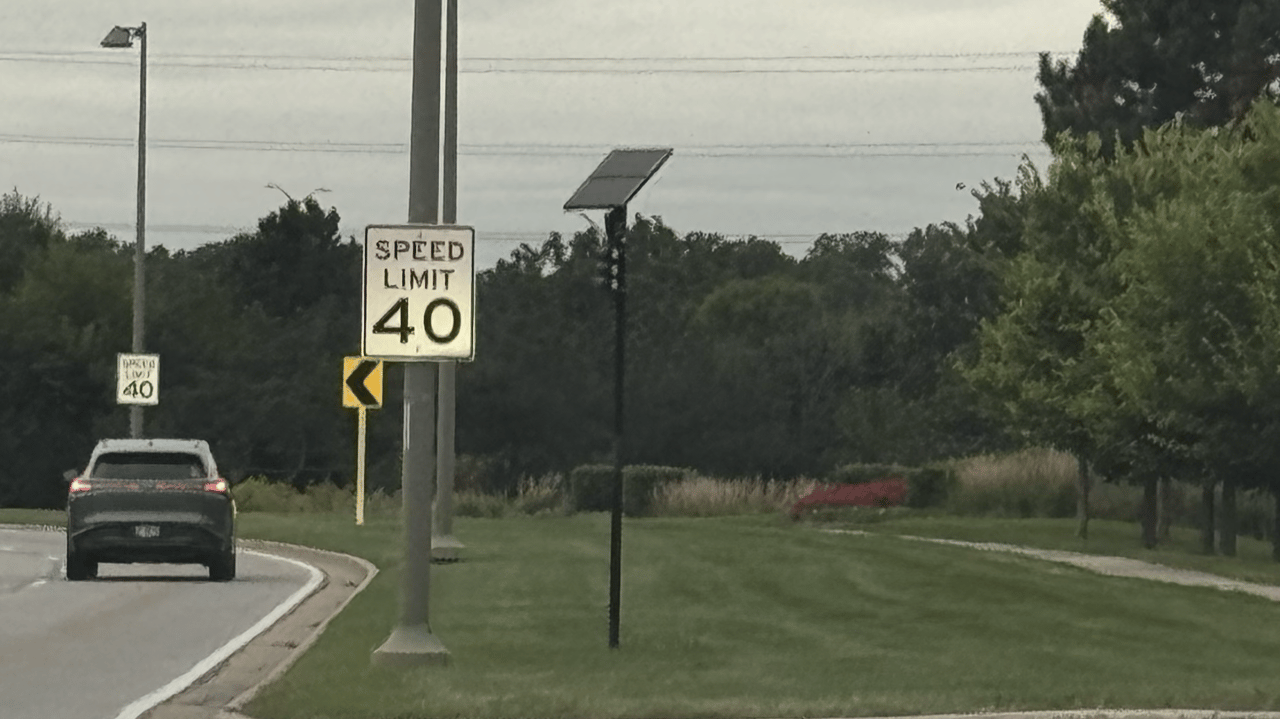
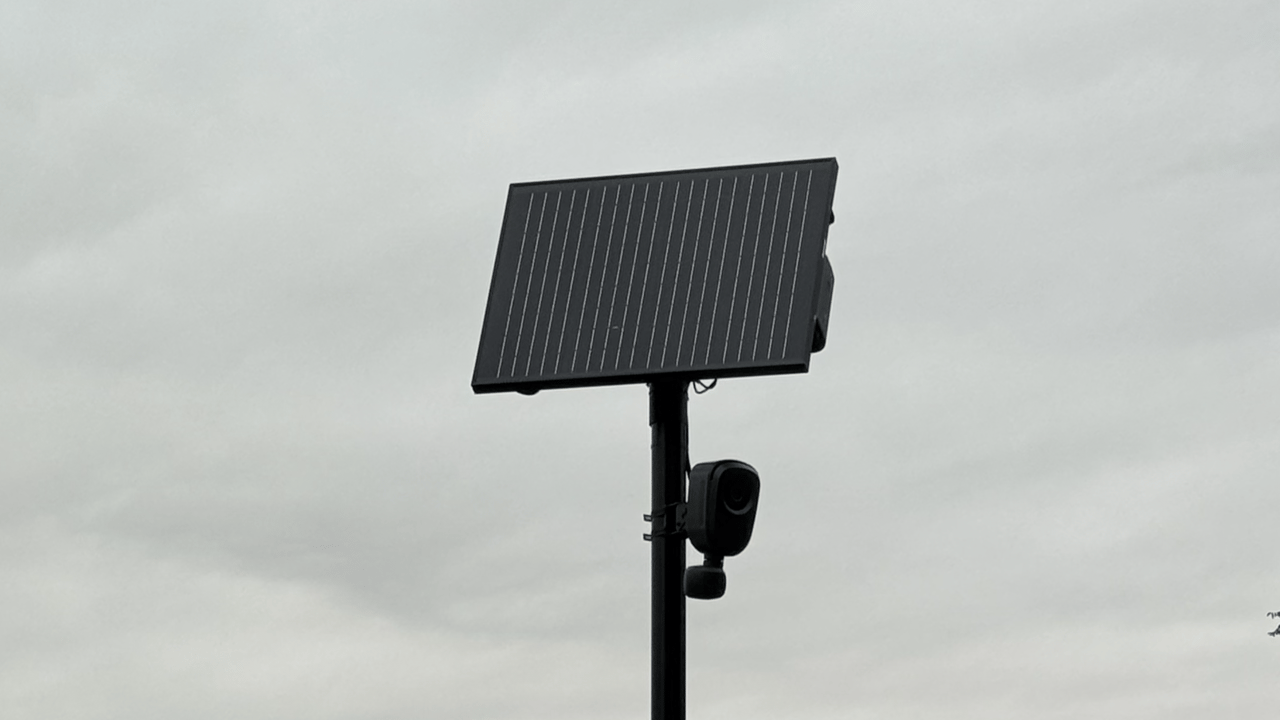
Conduct a Physical Inspection: Look for standalone, dark-colored poles equipped with a rectangular camera unit and a small solar panel at subdivision entryways.
Review HOA Meeting Minutes: During the attorney review period, request 12 to 24 months of HOA board meeting minutes to check for line items regarding security vendor contracts or hardware votes.
Ask About Safe Lists and Access: Inquire whether the HOA maintains a "Safe List" for residents and who on the board has administrative access to entry logs.
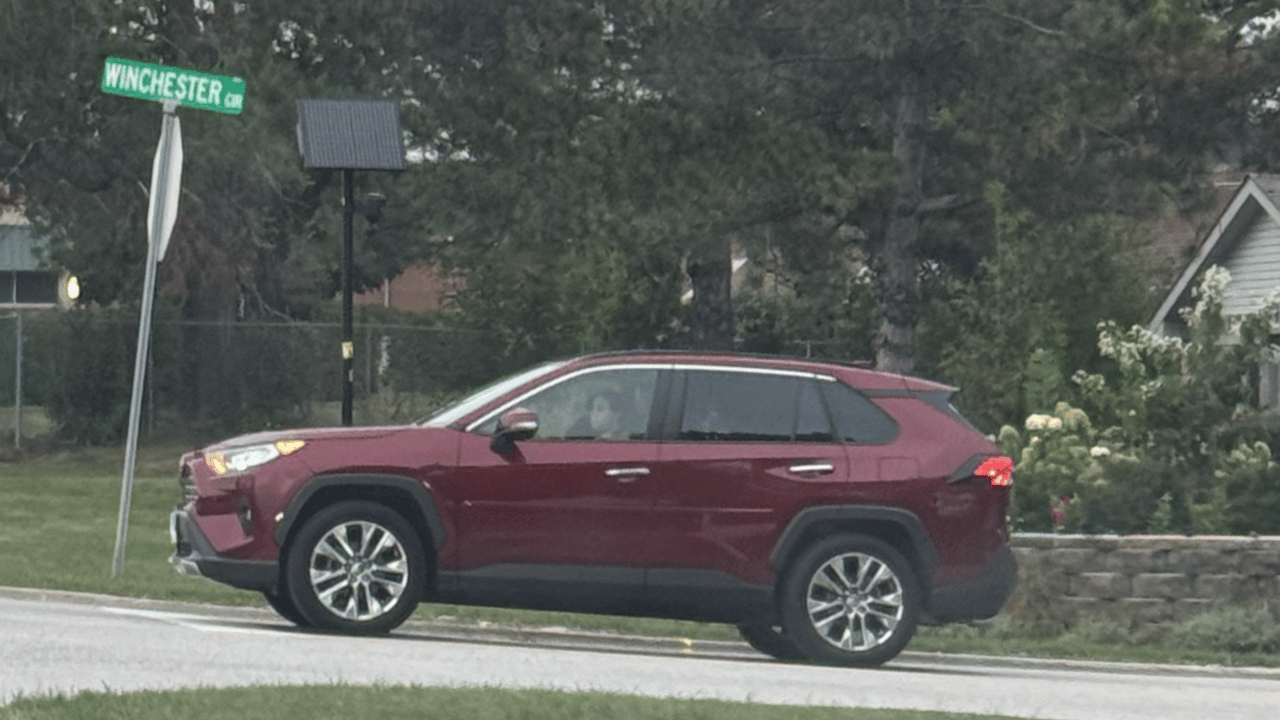
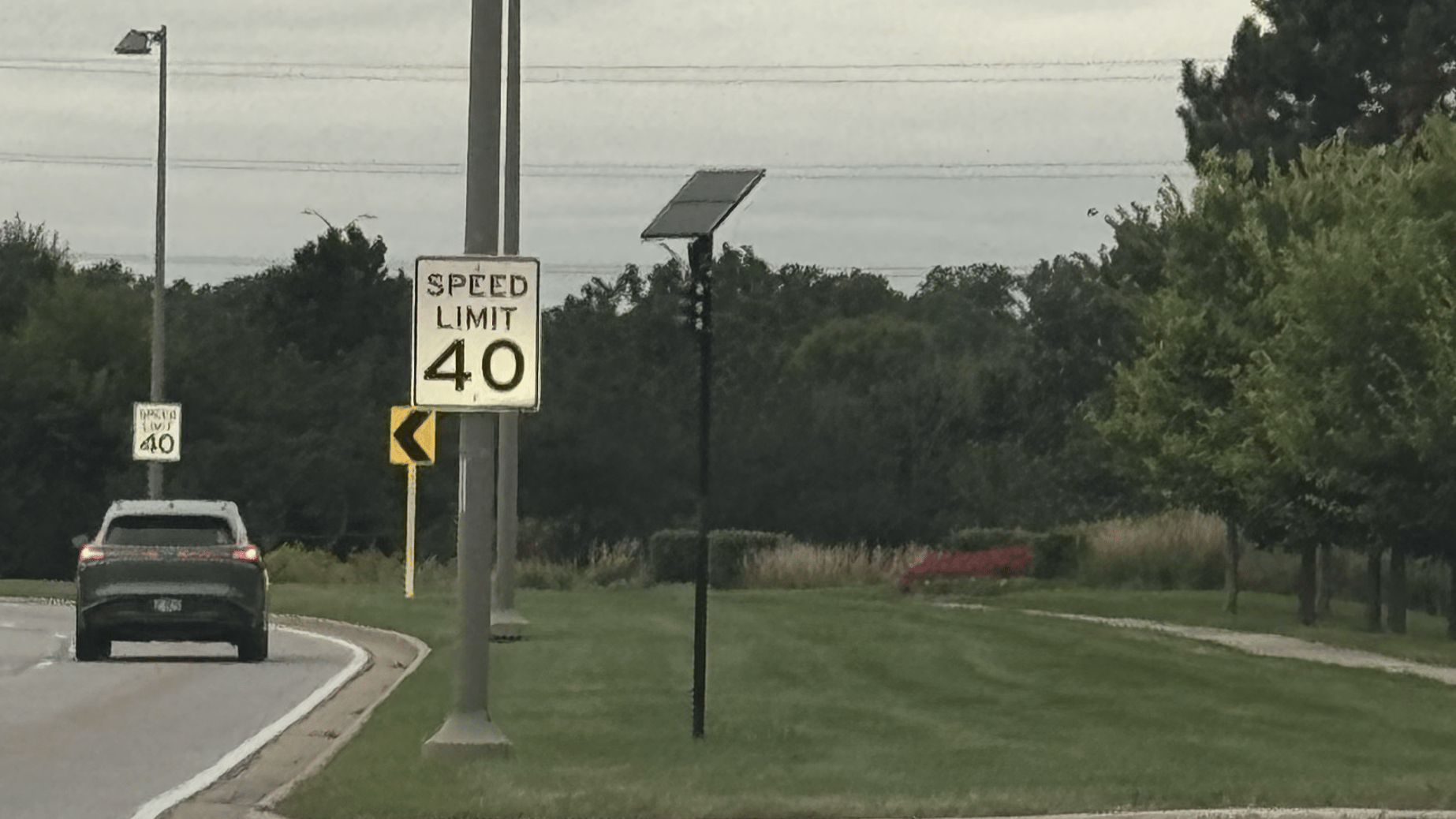
Distinguish Municipal vs. HOA Systems: Municipalities operate public networks under statutory guidelines. For instance, the City of Warrenville operates 14 city-owned perimeter cameras that automatically purge unflagged footage after 30 days under police department oversight. Municipal usage in Illinois is regulated by laws like the Illinois TRUST Act, which restricts data sharing for non-criminal purposes. Conversely, private HOA cameras, such as the private unit at the entrance of Warrenville's Winchester subdivision, operate independently under private contracts signed by the board.
Municipal perimeter cameras monitor key thoroughfares across suburban corridors to track vehicle traffic passing between public roadways and residential areas.
What Sellers Need to Disclose
Sellers are generally not legally obligated to disclose community-wide HOA cameras unless explicitly required by local ordinance. However, if a seller has private, personal security cameras attached to the home itself (such as video doorbells or interior cameras), best practices in Illinois recommend disclosing these devices to buyers before showings. Because Illinois is an all-party consent state for audio recording, active audio features inside a home should be turned off during showings or clearly disclosed to avoid privacy disputes.
Understanding community surveillance parameters ensures buyers select a neighborhood aligned with their personal preferences while helping sellers accurately represent community features.
About the Author
Faith Rosenshein Young is a licensed REALTOR® with The Tully Team at Platinum Partners Realtors in Downers Grove, Illinois. As a longtime Western Suburbs resident, Faith brings deep local knowledge, clear communication, and a calm, empathetic approach to clients across DuPage and the surrounding counties. She is passionate about helping people find not just a house, but a vibrant neighborhood and lifestyle they genuinely love. Reach Faith at 630-364-8564 or [email protected].
Faith Rosenshein Young is a licensed REALTOR® with The Tully Team at Platinum Partners Realtors in Downers Grove, IL. Equal Housing Opportunity. This article is published solely for general informational and educational purposes only and does not constitute legal, financial, or formal real estate disclosure advice. Surveillance policies, municipal regulations, and HOA covenants vary by community and are subject to change. Buyers and sellers should independently verify all HOA rules, board meeting minutes, and property equipment during the attorney review period with a qualified real estate attorney and licensed real estate broker.