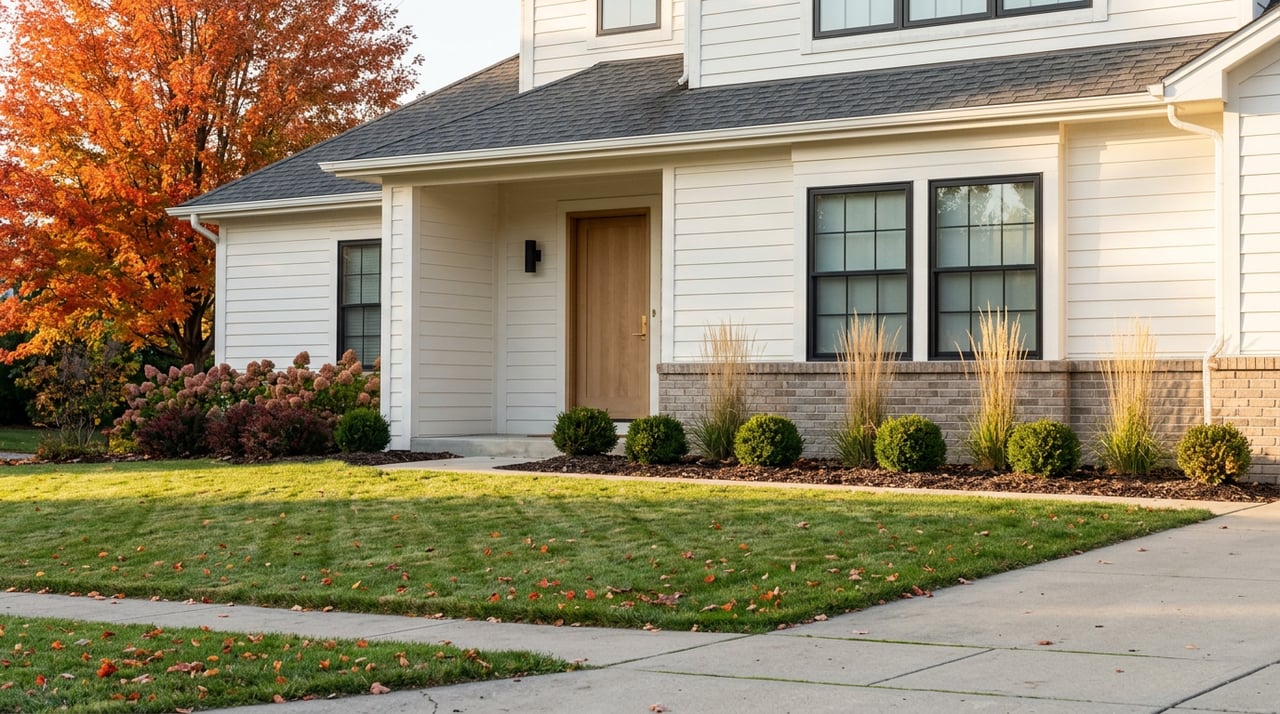
If you're buying or selling a home in Downers Grove, Woodridge, Westmont, Bolingbrook, or the surrounding western suburbs, there is an important change coming to the home appraisal process this fall.
Beginning November 2, 2026, new appraisal reports submitted for loans being sold to Fannie Mae or Freddie Mac will be required to use a new, much more detailed appraisal reporting system.
The way an appraiser determines a home's market value is not suddenly changing. But the way appraisers document a property, its condition, improvements, square footage, features, and comparable sales is becoming considerably more detailed and standardized.
For homeowners, especially those thinking about selling, this makes good information about your home more important than ever. Keeping accurate records of improvements, renovations, mechanical updates, permits, finished spaces, and other property details gives your listing agent better information to provide to the appraiser.
The goal is to make sure important features and improvements are clearly documented and readily available, so the appraiser has the information needed to fully understand the property and support the best possible value.
What Is Actually Changing With Home Appraisals?
Fannie Mae and Freddie Mac are replacing the collection of traditional appraisal forms that have been used for many years with one flexible, data-driven appraisal report called the Uniform Residential Appraisal Report.
The new reporting system is based on what the industry calls Uniform Appraisal Dataset 3.6. That is simply the technical name for the new standardized information appraisers will use when completing the report.
Instead of forcing different types of properties into a series of fairly rigid forms, the new report is dynamic. It changes depending on the property and the type of appraisal being completed.
Fannie Mae and Freddie Mac began allowing broader use of the new system in January 2026. Beginning November 2, 2026, all new appraisal reports submitted through their appraisal portal must use the new format.
Is the Way Your Home's Value Is Determined Changing?
This is probably the most important point for homeowners.
No. This is not a new formula for determining what your house is worth.
An appraiser will still analyze your property and compare it with relevant sales in the market. Location, size, condition, quality, improvements, lot characteristics, market activity, and comparable sales will continue to influence the appraiser's opinion of value.
What is changing is the amount and structure of the information being reported.
The new system contains substantially more standardized data and replaces many of the abbreviations and condensed descriptions used in older appraisal reports with more specific information.
What Will Be Different in the New Appraisal Report?
Buyers and sellers may never need to understand all of the technical changes, but there are several that are worth knowing about.
More Detailed Information About the House
The new report collects significantly more structured information about the property.
That includes details about the dwelling, individual levels and rooms, improvements, property characteristics, and certain special features.
Rather than relying as heavily on abbreviated descriptions or narrative comments, more of this information will be entered into standardized fields.
That should make appraisal reports more consistent and make it easier to understand exactly what information the appraiser considered.
Different Terminology for Square Footage
You may also start noticing different language in appraisal reports.
For example, what has traditionally been called gross living area is now referred to as finished area above grade. What was commonly called a basement is now reported as below-grade area.
This does not mean basements suddenly count the same as above-grade living space. They do not.
It is primarily a change in terminology and how the different portions of the house are categorized and reported.
This is one area where I think homeowners can easily become confused because, in real transactions, I regularly see square footage numbers that do not match perfectly from one source to another.
County records may show one number, an older Multiple Listing Service entry may show another, and an appraisal may come up with something different again.
That does not automatically mean someone measured incorrectly. Those numbers may have been created at different times, from different sources, or using different measurement methods.
Finished basements are another common source of confusion. A homeowner may understandably think of the basement family room, office, or recreation space as part of the home's usable living space, but appraisers must still distinguish between finished space above grade and finished space below grade.
That is one reason I pay very close attention to square footage when I am researching comparable properties and helping a seller determine an appropriate list price.
More Specific Reporting of Unusual or Converted Spaces

The new report also contains dedicated information for areas that have been converted from their original use into living space.
This could become important with properties where, for example, a garage, porch, or another part of the structure has been converted into finished living space.
Instead of that information potentially appearing only in a narrative comment, the new report provides a specific place for the appraiser to identify it.
This is something I encounter fairly often in older homes throughout the western suburbs.
A seller may know that a porch was enclosed, a basement or an attic space (as in the image) was finished, or a room was added many years ago, but they may not know exactly when the work was done or whether permits were pulled.
Sometimes the work was completed by a prior owner, so the current homeowner simply does not have the records.
That does not necessarily mean there is a problem. It does mean it is better to identify those questions before the home is under contract rather than discovering them for the first time during an appraisal, inspection, or attorney review.
More Information About Energy Efficiency and Other Property Features
The redesigned appraisal format can capture considerably more information about a home's features, including energy-efficient improvements, accessory dwelling units, and other property characteristics that may be relevant to value or marketability.
That does not mean installing a particular improvement automatically adds a particular dollar amount to your appraisal.
An appraiser still has to determine whether buyers in that particular market recognize additional value for the feature and support any adjustment using market evidence.
That is an important distinction. A homeowner may have spent a significant amount of money on windows, heating and cooling systems, roofing, solar equipment, or other upgrades, but the amount spent and the amount of value added are not necessarily the same thing.
Documentation helps the appraiser understand exactly what was done. The market still determines how much those improvements contribute to value.
What Does This Mean If You're Selling a Home?

This is where the change becomes most relevant for sellers.
When we prepare a home for sale, we want to understand as much about that property as possible before it goes on the market, not after we already have a buyer and an appraiser is standing in the house.
That means gathering information such as:
- The approximate dates of major renovations and improvements
- Permits for additions or significant structural work, when applicable
- Information about newer heating and cooling systems, windows, roofing, and other major components
- Details about additions or converted living spaces
- Information about solar systems or significant energy-efficient improvements
- Documentation that helps explain features of the property that may not be obvious during a short appraisal inspection
Receipts and permits do not automatically increase an appraisal. Spending $40,000 on a kitchen also doesn't necessarily mean the house is worth $40,000 more.
What documentation can do is help make sure the appraiser has accurate information about what is actually in the home.
The appraiser then determines how the market responds to those improvements.
In our experience, appraisal issues can sometimes come down to simple discrepancies in a home's records or property information that could have been identified and addressed before the appraisal.
Maybe the square footage does not match the county record. Maybe the seller believes an addition is included in the home's living area, but the records do not clearly support that. Maybe a basement was finished by a previous owner and no one knows when it was done.
These are exactly the kinds of things I want to understand before we put a property on the market.
What About Older Homes in Downers Grove, Westmont, and the Western Suburbs?
This is especially relevant in communities such as Downers Grove and Westmont, where we have homes built across many different decades and homeowners have modified them repeatedly over the years.
It isn't unusual for us to encounter a finished basement, an addition, an enclosed porch, a converted space, or an improvement completed years ago by a previous owner.
Sometimes the current owner has excellent records.
Sometimes they have almost nothing.
That doesn't automatically mean there is a problem. But it is one of the reasons I believe sellers should start preparing for a sale well before the property actually hits the market.
I have worked with plenty of homes where the information available from the seller, the county, and prior listing records did not line up perfectly.
In most cases, it simply required more research so we could understand what we were looking at and market the home accurately.
If there is a question about an improvement, we'd rather identify it early and determine whether additional information can be found than discover it after the property is under contract.
What Happens if an Addition Was Never Permitted?
There is also some misinformation circulating about this part of the appraisal changes.
An unpermitted addition does not automatically receive no value simply because the permit cannot be located.
Fannie Mae's current guidance says that when an appraiser identifies an addition that does not have a required permit, the appraiser must comment on the quality and appearance of the work and consider what impact, if any, it has on the market value of the property.
That is quite different from saying, "No permit, no value."
However, permit issues can create other questions during a real estate transaction involving the municipality, attorneys, buyers, lenders, or insurance companies.
Those issues depend heavily on the property and circumstances.
This is another situation we have seen more than once. A homeowner may genuinely have no idea whether work completed 15 or 20 years ago was permitted, particularly when it was done by a prior owner.
That is why we do not recommend waiting until the appraisal or inspection to start asking questions about the history of your home.
Sometimes we can locate older records. Sometimes the municipality can provide clarification. Other times, we simply need to understand exactly what exists and make sure the property is represented accurately.
The goal is not to create a problem where one does not exist. The goal is to avoid being surprised by a question that could have been identified earlier.
A Word About Square Footage
There is another change that could create some confusion for homeowners.
Fannie Mae requires appraisers to follow a nationally recognized residential measurement standard known as American National Standards Institute Z765-2021 for applicable single-family properties.
This measurement requirement itself isn't new for Fannie Mae appraisals, but the new appraisal system provides more detailed ways of reporting above-grade, below-grade, and certain nonstandard finished areas.
That matters because the square footage you see in the Multiple Listing Service, county records, an old appraisal, and a new appraisal will not necessarily always match.
I see this often enough that I never assume one number is automatically correct simply because it appears in a public record.
If the difference is significant, I want to understand why.
For sellers, that may mean reviewing old appraisals, surveys, permits, floor plans, or other available records.
For buyers, it means understanding that square footage is not always as simple as one number printed on a listing sheet.
This is another reason I pay close attention to square footage when researching a property and comparing it with other homes.
What Does the New Appraisal Process Mean for Buyers?
For buyers, I don't expect this change to dramatically alter the experience of purchasing a home.
During the transition, appraisers, lenders, and appraisal management companies will be adapting their systems and workflows to the new format. There may be occasional growing pains as that happens.
But in the long run, the goal is a more consistent appraisal report containing clearer and more complete property information.
More accurate property information is beneficial to everyone involved in the transaction.
What Does This Mean for Real Estate Agents?
We think this change reinforces something good listing agents should already be doing.
Our job isn't simply to put a property in the Multiple Listing Service and wait for an offer.
A strong listing agent should understand the property, study the comparable sales, question discrepancies in the public information, document meaningful improvements, and anticipate issues that could affect the transaction later.
Once the property is under contract, the listing agent should be fully prepared for the appraisal.
That does not mean trying to influence the appraiser's independent opinion of value.
It means being able to provide accurate, relevant information about the home and the market when appropriate.
For The Tully Team, this is not a new way of working.
We already spend considerable time researching our listings before they go on the market. I routinely look for differences in square footage, property records, prior listings, and improvements because those details can affect how a home should be priced and presented.
The new appraisal format simply makes that kind of preparation even more important.
The Bottom Line for Downers Grove Area Homeowners
The appraisal changes taking effect November 2, 2026 are substantial for appraisers and lenders, but homeowners don't need to become appraisal experts. The biggest takeaway is much simpler:
The real estate industry is moving toward more detailed, standardized property information.
Because the new appraisal format requires more detailed information about the property, we may also see appraisal reports take a little longer to complete, especially while appraisers and lenders adjust to the new requirements.
If you're thinking about selling your home in Downers Grove, Woodridge, Westmont, or Bolingbrook, now is a good time to start gathering information about your home. Find the paperwork from major renovations, keep records of improvements, and make note of what was changed and approximately when the work was completed.
And if you don't have all of that information, don't panic. Many homeowners don't, especially when improvements were made years ago or by a previous owner. We can start by asking the right questions and gathering what is available as part of preparing the property for sale.
The earlier we understand the house and have accurate information about its improvements and features, the better prepared we are to price it correctly, market it accurately, provide useful information to the appraiser, and avoid preventable surprises once a buyer is involved.
If you're considering selling and aren't sure how these appraisal changes could affect your particular home, Shanon Tully and The Tully Team at Platinum Partners Realtors can help you look at the property, its improvements, comparable sales, and available records before you make decisions about listing.
Shanon Tully
The Tully Team at Platinum Partners Realtors
630.435.3585
[email protected]
soldbytully.com

Shanon Tully is a licensed real estate broker and leads the The Tully Team at Platinum Partners Realtors located in Downers Grove, Illinois. She provides exceptional concierge real estate services throughout the Chicagoland area, especially the western suburbs. A residential listing specialist, Shanon thoroughly enjoys helping clients achieve their goals, and particularly relishes the unique challenges associated with staging, redesigning, and marketing properties. Her attention to detail and dedicated care for her clients has earned her numerous rave reviews! Among other things, Shanon has earned several designations and certifications including SRS-Seller Representative Specialist, PSA-Pricing Strategy Advisor, RENE-Real Estate Negotiation Expert, SRES-Senior Real Estate Specialist, CSC-Certified Staging Consultant, ABR-Accredited Buyer's Representative. She is eager to speak with you and always welcomes new referrals! Shanon can be reached at 630.435.3585 or [email protected]
This article is for general informational purposes and is based on publicly available Fannie Mae and Freddie Mac guidance as of September 2026. Appraisal, lending, municipal, and property-specific requirements can vary. Consult the appropriate licensed appraiser, lender, attorney, or municipality for guidance regarding a specific property or transaction.