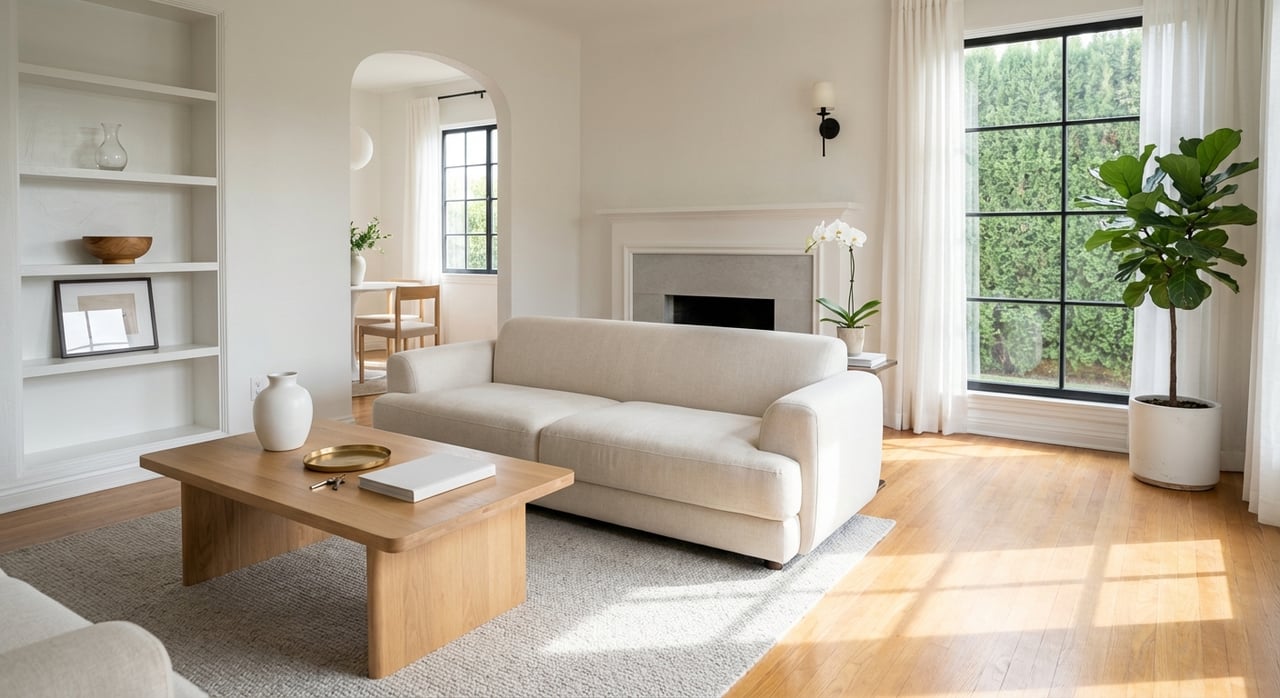
Thinking about selling an older home in Downers Grove and wondering how it will stack up against newer builds? You are not alone. Local buyers love character, but they also want clean, move-in-ready spaces that photograph well online. In this guide, you will learn how to stage your home the smart way, what to focus on first, what it may cost, and how to tailor your plan to the Downers Grove market. Let’s dive in.
Why staging matters in Downers Grove
Staging pays off when buyers have options. Recent snapshots show a healthy mid-market where presentation can tip the scales. For example, Redfin’s January 2026 snapshot reported a median sale price near $580,000 and about 59 days on market, while Zillow’s ZHVI placed typical values closer to $476,000. These sources use different methods, so treat them as ranges and rely on a local CMA for exact comps. In a market like this, the listings that show best get the most clicks, showings, and offers.
The buyer pool also skews toward move-up households who value convenience and turnkey condition. According to Census estimates, Downers Grove Township trends higher than state averages for household income and has a median age in the low to mid 40s. That profile supports a staging strategy that balances preserved character with a clean, updated look that feels easy to move into. When you present that blend, you help buyers picture their life in your home, which can speed up your sale and protect your price. National Association of REALTORS research backs this up, noting that staging helps buyers visualize a home and often shortens days on market. It also recommends staging before photography to maximize online impact. See NAR’s staging research.
What “older” means locally
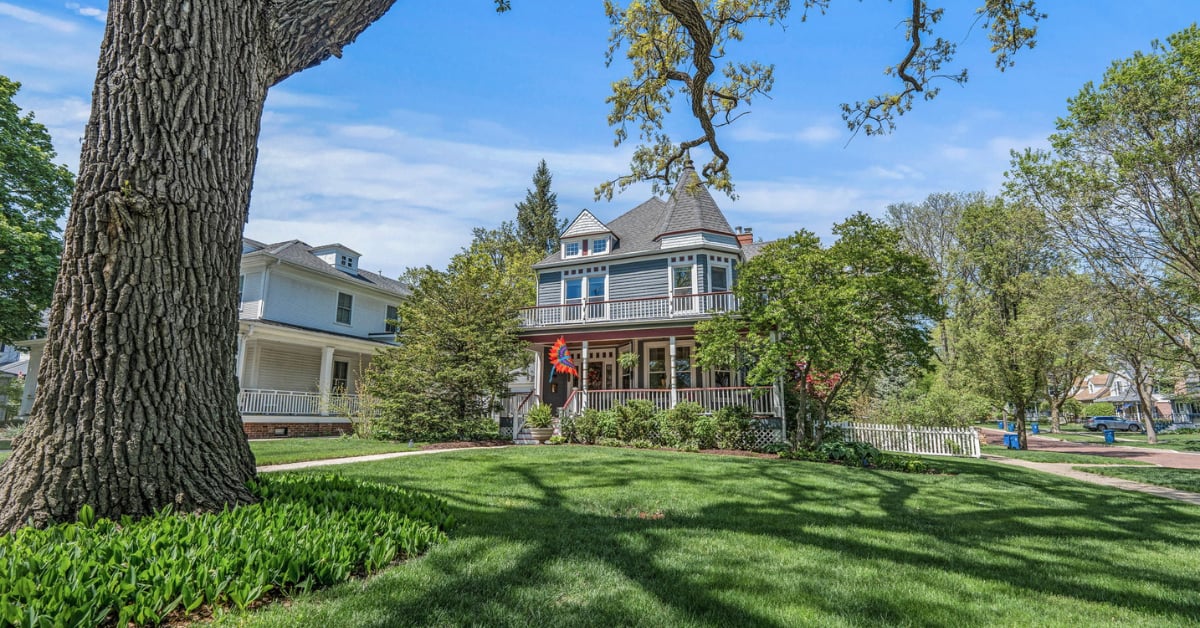
Downers Grove has a rich mix of early 20th-century bungalows, a number of Sears or catalog homes, and many postwar ranches and split-levels. Each type benefits from a tailored staging approach.
Early bungalows and historic homes
- Highlight the features buyers expect to see: built-ins, original millwork, stained glass, and fireplaces.
- Keep walls and large furniture neutral so warm woodwork and period trim stand out in photos.
- Use scaled, classic silhouettes that fit cozy rooms instead of oversized pieces.
- If your home has documented history, prepare a simple features sheet for showings. The local museum is a great resource to confirm background details. Explore the Downers Grove Museum.
Sears and catalog kit homes
- Preserve visible period details while showing modern-function updates elsewhere.
- Keep furnishings simple and in scale to avoid overpowering compact rooms.
- If you have documentation, bring copies to the listing and open house. Buyers value authenticity.
Mid-century ranches and split-levels
- Emphasize open sightlines and light. Use low-profile furniture to make rooms feel larger.
- Define each level with a clear purpose: main level for living and dining, lower level as media or play space, and a calm, simple palette throughout.
- Lean into clean-lined, contemporary pieces that complement the era’s architecture. For inspiration on balancing mid-century character with modern finishes, see this regional design example from Dwell. View a mid-century renovation example.
Costs and ROI: what to budget
Most sellers are surprised by how cost-effective staging can be relative to sale price. Industry cost guides place many professional engagements in the low-to-mid thousands for the first month, depending on scope and market. See HomeGuide’s cost overview.
- Typical professional staging: about $1,500 to $4,000 for the first month, with monthly extensions if needed.
- Virtual staging for vacant rooms: often priced per photo, with many services starting in the tens of dollars per image. This can be a smart add-on for empty spaces.
Even small improvements can produce outsized returns. If your expected sale price is near $500,000, a 1 percent uplift equals $5,000. That alone can cover many staging plans. NAR surveys report that agents commonly see improved offer prices and reduced days on market when homes are staged. The key is to focus on what buyers notice first and what photographs best.
For quick-refresh projects, Remodeling’s Cost vs. Value data consistently shows that many exterior updates and minor kitchen improvements rank high for cost recoup. Use this as a filter when deciding where to spend and where to skip. Browse Cost vs. Value benchmarks.
Two smart prep paths
You can get market-ready with a budget-friendly plan or go full concierge. Choose what fits your timeline and goals.
Budget/DIY: 7 to 10 days
- Declutter and pre-pack. Remove extra furniture, personal photos, and bulky rugs. Aim for clean lines and open floors.
- Neutral paint touch-ups. Freshen walls where needed so rooms photograph bright and consistent.
- Hardware and lighting swaps. Replace dated knobs, pulls, and a few key fixtures for a quick style lift.
- Deep clean everywhere. Windows, grout, stove, and fridge. Clean reads as “well cared for.”
- Virtual staging for vacant rooms. Add context to empty spaces at a low cost.
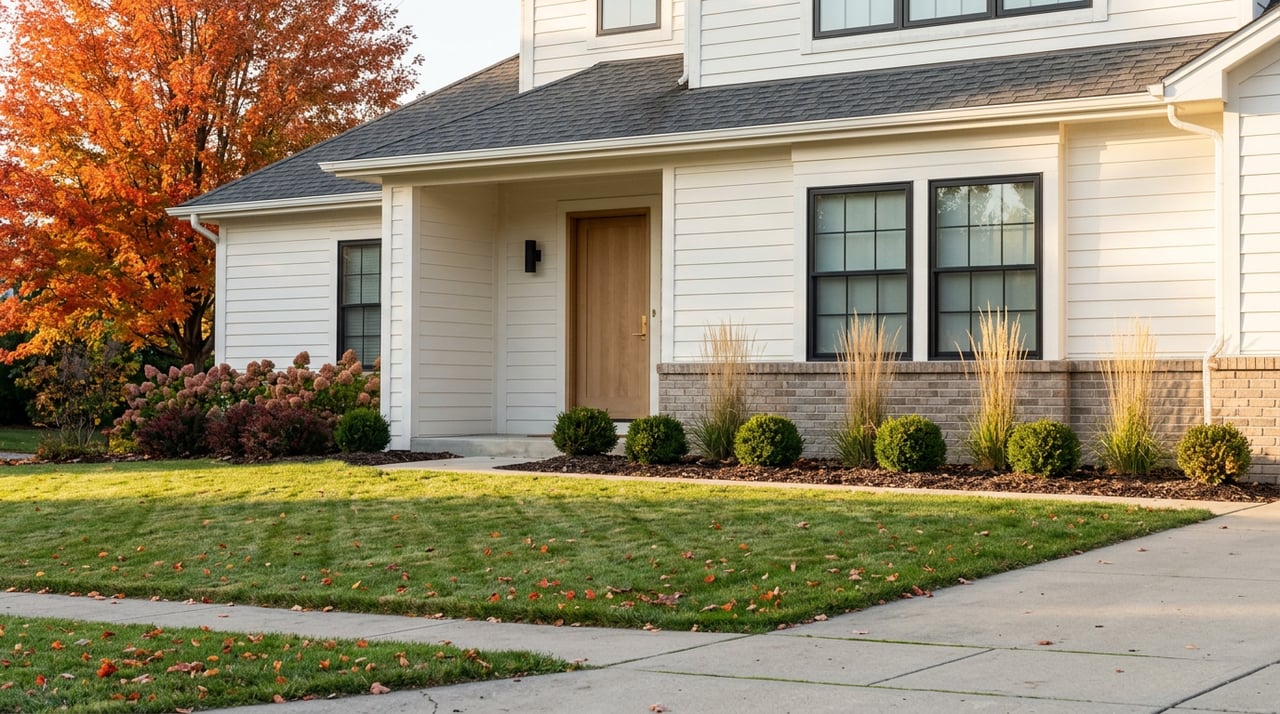
- Curb appeal tune-up. Trim beds, add fresh mulch, refresh the front door and house numbers.
Concierge/full service: 2 to 4 weeks
- Professional stager sets the layout and style for key rooms, then layers decor for photos and showings.
- Targeted cosmetic updates guided by ROI data: paint, hardware, select lighting, minor kitchen refreshes.
- Pro photography with floor plan and, if helpful, a 3D tour scheduled after staging is complete.
- Coordinated listing launch and feedback-driven adjustments in the first two weeks.
This path removes the guesswork and keeps your timeline on track. It is designed to maximize first impressions online and in person.
Room-by-room checklist that works
NAR reports the living room, primary bedroom, and kitchen deliver the biggest buyer impact. Stage these first, then expand to the rest of the home. Review NAR’s staging priorities.
Entry and curb appeal
- Power wash the walk, edge beds, mulch, and mow.
- Repaint or polish the front door and replace dated hardware.
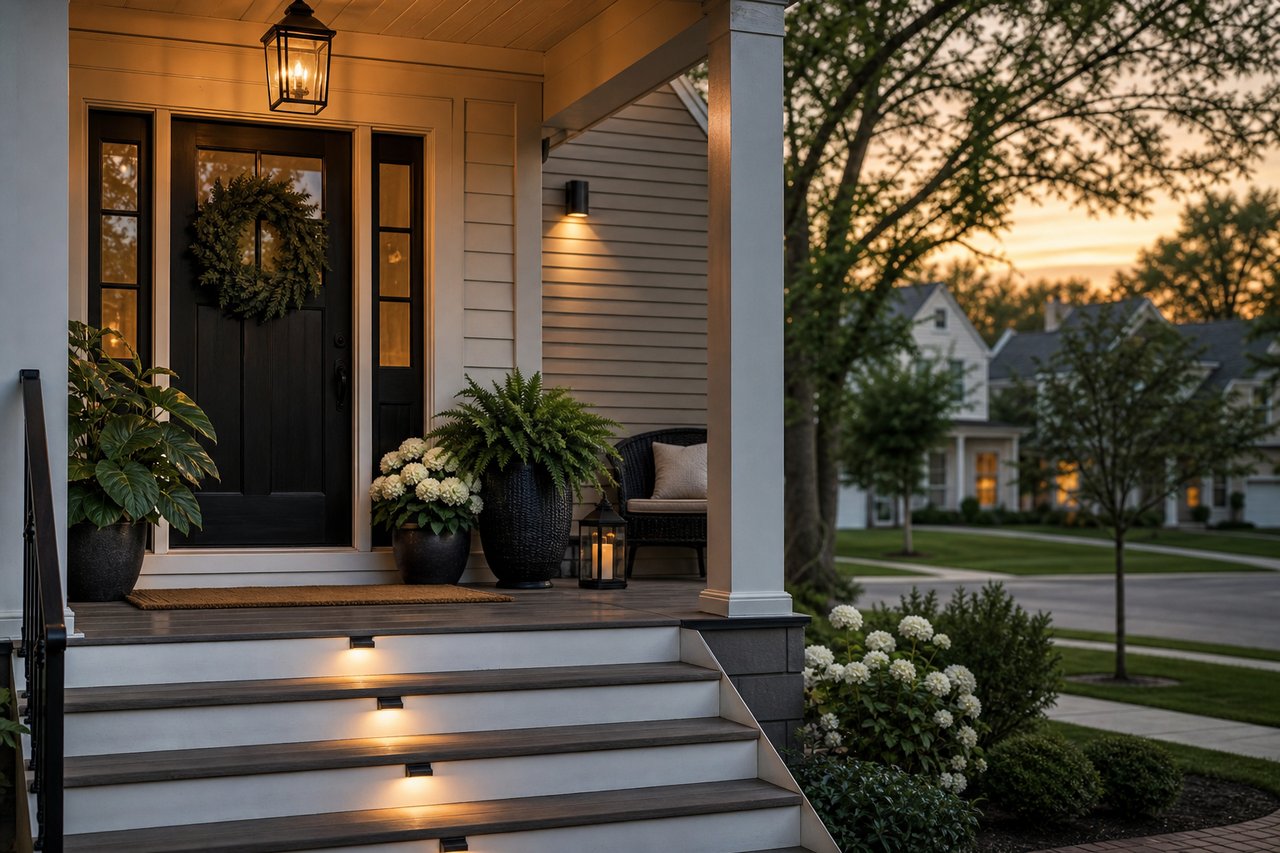
- Update house numbers and add a simple planter or porch seating for scale.
- Exterior tune-ups often recoup well on resale. Check Cost vs. Value data.
Living room (high priority)
- Edit furniture to one clear conversation area anchored by a right-sized rug.
- Aim seating toward a focal point like a fireplace or window.
- Add layered, warm lighting and simple, textured accents.
- In bungalows, use scaled pieces; in split-levels, show easy flow to adjacent spaces.
Kitchen (high priority)
- Clear counters to a few styled essentials and remove fridge magnets.
- Deep clean everywhere. Re-caulk and re-grout where needed.
- If cabinet hardware is dated, swap it. Consider a light cosmetic refresh in lieu of a major remodel.
- Minor kitchen updates often rank well for recoup. See Cost vs. Value insights.
Primary bedroom (high priority)
Neutral bedding, two matching lamps, and minimal decor.
Remove extra dressers or chairs to show real floor space.
Organize closets. Buyers check storage.
Bathrooms
- Replace tired caulk, shine fixtures, and update a light or mirror if dated.
- Use fresh white towels and a small plant for life and color.
Secondary bedrooms and office
- Stage the most flexible room as a guest bedroom or a simple home office, depending on your likely buyer.
- Keep decor minimal so the room’s size is clear.
Basement or lower level
- If finished, stage one side as a media or play area and another as a gym or hobby zone.
- If unfinished, keep it clean and bright. Address moisture before listing.
Attic and garage
- Declutter and show storage capacity.
- Good lighting and clear floors send a strong maintenance signal to buyers.
Tailoring by home type
- Bungalows and historic homes: keep period features visible, use warm neutrals, and style the front porch to set the tone. If your property has a story to tell, prepare a one-page highlights sheet. Tap the Downers Grove Museum for context.
- Mid-century and split-level homes: use low-profile furniture, consistent paint across levels, and defined zones so the layout feels intuitive. For visual ideas that complement mid-century character, see this Dwell feature. Explore a mid-century example.
Decision guide: how much staging to do
Use your anticipated price point and current competition to pick an approach.
- Under $300,000: prioritize DIY and low-cost updates. Declutter, neutral paint touch-ups, basic lighting swaps, curb appeal, and virtual staging for any vacant spaces.
- $300,000 to $700,000: professional staging often has the best ROI. Invest in a focused plan for the living room, kitchen, primary suite, and curb appeal. Layer in minor cosmetic upgrades supported by Cost vs. Value data.
- Above $700,000: consider higher-touch, bespoke staging and a complete photo package. Buyers at this level expect polish and consistency across the entire home.
These ranges reflect typical staging costs relative to Downers Grove prices and industry data. Always cross-check against current local comps and your agent’s CMA.
A simple pre-listing timeline
A clear plan keeps stress down and value up. Here is a proven, step-by-step approach.
Weeks −4 to −3: plan and prep
- Agent walkthrough, pricing strategy, and a photo-first staging plan.
- Get 2 to 3 stager quotes and book your favorite. Order paint and hardware.
- Consider a pre-listing inspection to surface items buyers might flag in negotiations.
Weeks −3 to −1: work and stage
- Declutter, deep clean, complete minor repairs, and finish exterior touch-ups.
- Stager installs furniture and styling. Schedule photography after staging.
Week 0: launch
- Capture professional photos, floor plan, and, if useful, a 3D tour.
- Publish to the MLS with staged images and a brief historical features sheet if applicable.
After listing: optimize
- Monitor feedback in the first two weeks. If you hear the same objection repeatedly, make a targeted adjustment.
- Keep staging intact through the peak interest window.
Planning exterior changes like decks, fences, or porch work? Confirm local permit needs before starting. Review Downers Grove permitting resources.
What to avoid
- Over-staging to the point of erasing original character. Let unique features breathe.
- Major remodels right before listing unless comps clearly demand them.
- Listing photos before staging. Prep first so your online debut shines.
- Ignoring lighting or moisture. Bright bulbs and dry, clean spaces matter.
Ready to sell your older Downers Grove home?
You do not have to choose between character and convenience. With the right staging plan, you can show both. If you want a calm, concierge process that blends smart updates, professional staging, and a photo-first launch, we are here to help. Connect with The Tully Team to plan your sale and get your free home valuation.
FAQs
Does staging really pay off for older homes in Downers Grove?
- Yes. NAR research shows staging helps buyers visualize a home and often shortens days on market and improves offers, especially when completed before photography. Review NAR’s staging insights.
How much does professional staging cost near Downers Grove?
- Industry guides place many first-month engagements in the $1,500 to $4,000 range, depending on home size and scope, with monthly extensions as needed. See HomeGuide’s cost overview.
Which rooms should I stage first if I am on a tight budget?
- Focus on the living room, primary bedroom, and kitchen, which NAR identifies as the highest-impact areas for buyers and photos. Learn more from NAR.
How do I stage a historic bungalow without losing character?
- Keep original features visible, use warm neutral backdrops, and scale furnishings to the rooms. Add a short features sheet if the home has documented history. Visit the Downers Grove Museum.
What is the best way to stage a split-level or mid-century home?
- Use low-profile furniture, a consistent color palette across levels, and clearly define each floor’s function so the layout feels intuitive. See a mid-century example.
Do I need permits for exterior updates before listing in Downers Grove?
- Many exterior projects require permits. Check local rules early in your timeline to avoid delays. Review permitting resources.