Older homes in La Grange have something many newer properties cannot replicate: real architectural character. But character alone does not always help buyers picture daily life in the home. If you are getting ready to sell, the goal is to make those original details feel fresh, cared for, and easy to love online and in person. Let’s dive in.
Why staging matters in La Grange
La Grange has a large share of older housing, which makes staging especially important here. According to CMAP’s 2019 to 2023 community snapshot, 37.6% of housing units were built before 1940, another 35.9% were built from 1940 to 1969, and the median year built is 1951. The village’s historic district also includes homes dating from the late 19th century to the early 20th century.
That matters because buyers are not just comparing square footage. They are also reacting to details like millwork, windows, staircases, fireplaces, built-ins, and room flow. In an older La Grange home, staging works best when it highlights that character while helping the home feel current and easy to live in.
What today’s buyers notice first
Most buyers start online, not at the front door. NAR’s 2024 buyer trends report found that buyers usually searched for a median of 10 weeks, viewed a median of seven homes, and found the home they purchased through the internet 52% of the time.
Photos matter even more than many sellers realize. That same report found that photos were the most useful website feature for nearly nine in 10 buyers age 58 and under. If your home looks dark, crowded, or confusing in listing photos, many buyers may move on before they ever schedule a showing.
Staging helps solve that problem. NAR’s 2025 staging profile found that 83% of buyers’ agents said staging makes it easier for buyers to visualize a home.
Lead with the home’s original character
When you stage an older La Grange home, you usually do not want to erase its age. You want to present it with intention. Original features can be part of the home’s appeal, especially in a village known for historic housing and established neighborhoods.
That means keeping period details visible if they are clean and in good repair. Think of woodwork, trim, built-ins, original doors, or a fireplace mantel as design assets. Instead of covering them with heavy furniture or overly themed decor, let them become focal points.
A simpler look often works best. Clean neutrals, lighter accessories, and fewer competing objects help buyers notice the architecture instead of the distractions.
Start with the rooms that matter most
Not every room needs the same level of staging. If you want the biggest impact, focus first on the spaces buyers tend to care about most.
NAR’s 2025 staging profile found that the rooms most often prioritized for staging are:
- Living room
- Primary bedroom
- Kitchen
These rooms shape much of a buyer’s first impression. They also tend to appear early and often in listing photos, marketing materials, and showings.
Stage the living room for scale
In many older homes, the living room can feel smaller if furniture is too large or too plentiful. Use pieces that fit the room’s scale and leave clear walking paths so the space feels open and easy to use.
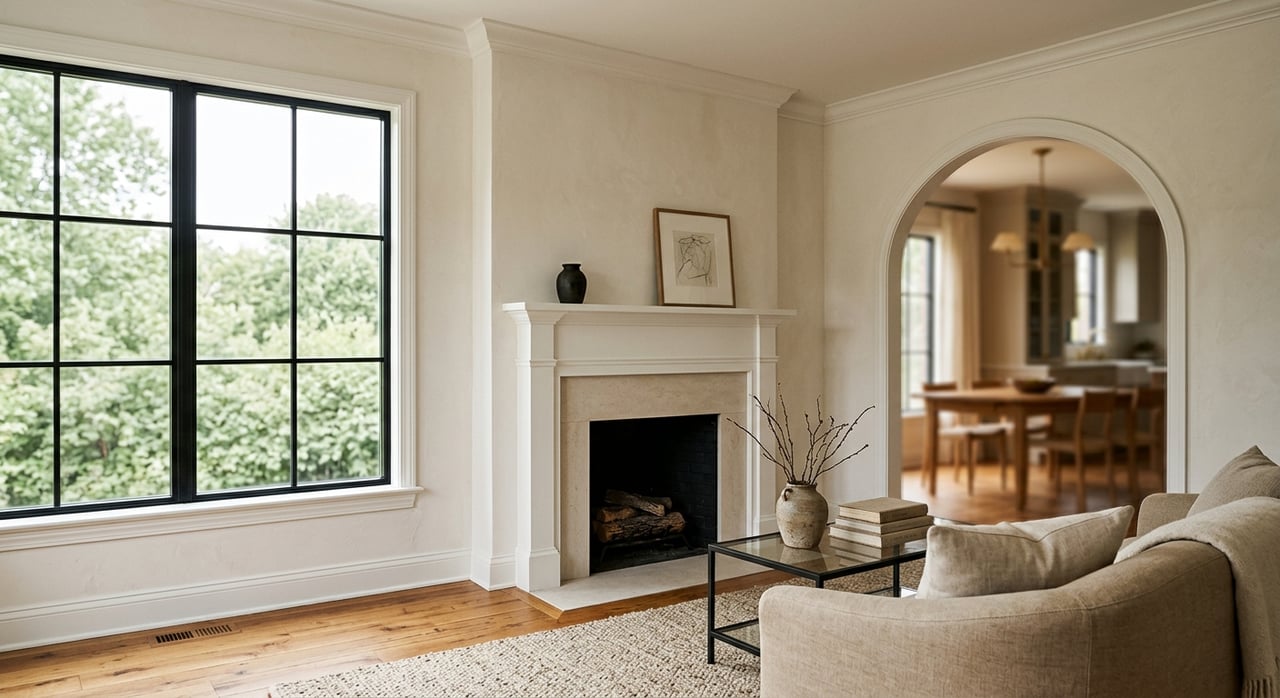
If the room has original trim, built-ins, windows, or a fireplace, arrange furniture to support those features instead of blocking them. One strong focal point is better than several competing ones.
Keep the primary bedroom calm
Buyers want the primary bedroom to feel restful and functional. That usually means fewer personal items, less furniture, and a soft, neutral palette.
In an older home, bedroom layouts can vary. Staging can help define how the room functions and show that it still accommodates modern living.
Make the kitchen feel bright and useful
You do not need a full renovation to improve kitchen presentation. Clear counters, good lighting, and a few simple accents can make the room feel cleaner and more current.
If the kitchen has older cabinetry or finishes, avoid overstyling. Buyers respond better to a clean, well-maintained kitchen than one packed with decor that distracts from the space.
Declutter before you decorate
The most effective staging step is often the least glamorous. NAR’s 2025 report says agents most often recommend decluttering the home, with 91% naming it as a key step.
Decluttering helps buyers understand room size, storage, and layout. It also makes photos cleaner and more appealing. In older homes, where rooms can have more defined footprints than newer open-concept homes, clutter can make the layout feel tighter than it really is.
Start by removing:
- Extra furniture
- Large collections
- Personal photos
- Overflow from countertops and shelves
- Items stored in corners, hallways, and entry areas
The goal is not to make your home look empty. The goal is to make it easy for buyers to see the space and imagine their own life in it.
Clean deeply and fix the small things
After decluttering, turn your attention to condition. NAR’s 2025 staging profile found that whole-home cleaning was recommended by 88% of agents, and curb appeal by 77%. Minor repairs, carpet cleaning, paint touch-ups, depersonalizing, and landscaping were also commonly recommended.
In La Grange, this advice lines up with what the village watches for on the property maintenance side. The village specifically calls out issues like peeling paint, deteriorated siding, broken windows, debris, and unsafe conditions.
These details may seem minor when you live with them every day. To a buyer, they can signal deferred maintenance. If you want your older home to feel cared for, handle visible cosmetic issues before photos and showings.
Know which updates may need a permit
Some pre-listing improvements are straightforward, while others may trigger permit requirements. La Grange’s permit guidance says painting, replacing flooring, same-size window or door replacement, storm doors, and swapping fixtures without wiring changes generally do not require a permit.
More involved work often does. Remodels, structural changes, changing the size of a window or door, roof work, masonry or tuck-pointing, and many system upgrades generally require permits. The village also warns that work done without a permit is subject to a double permit fee.
If you are deciding whether to take on a repair or cosmetic project before listing, this is worth checking early. It can help you avoid delays and focus your budget on the right improvements.
Use physical staging, then support it with media
Virtual staging can be useful, especially if a room is empty or hard to understand in photos. But for older homes, it is usually best treated as a supplement, not a replacement.
NAR’s staging research shows that many clients still see traditional physical staging as more important than virtual staging. That makes sense in a home with unique architecture, where buyers often want the in-person experience to match what they saw online.
Professional photography should also be part of the staging plan. NAR’s 2025 report found that sellers’ agents rated photos as much more or more important to their clients 88% of the time, compared with 47% for videos and 43% for physical staging.
In other words, staging and photography work together. A well-staged room can photograph beautifully, and strong photos can help more buyers decide your La Grange home is worth seeing in person.
What staging may cost
Many sellers assume staging has to mean a major expense. In reality, it is often a focused pre-listing investment.
NAR’s 2025 report found a median spend of $1,500 when sellers used a staging service. When the seller’s agent personally staged the home, the median reported spend was $500.
That context matters because staging is usually not about redoing the whole house. It is about improving presentation where it counts most.
A practical staging plan for older La Grange homes
If you want a simple roadmap, start here:
- Declutter every main room.
- Deep clean the whole home.
- Address visible minor repairs and paint touch-ups.
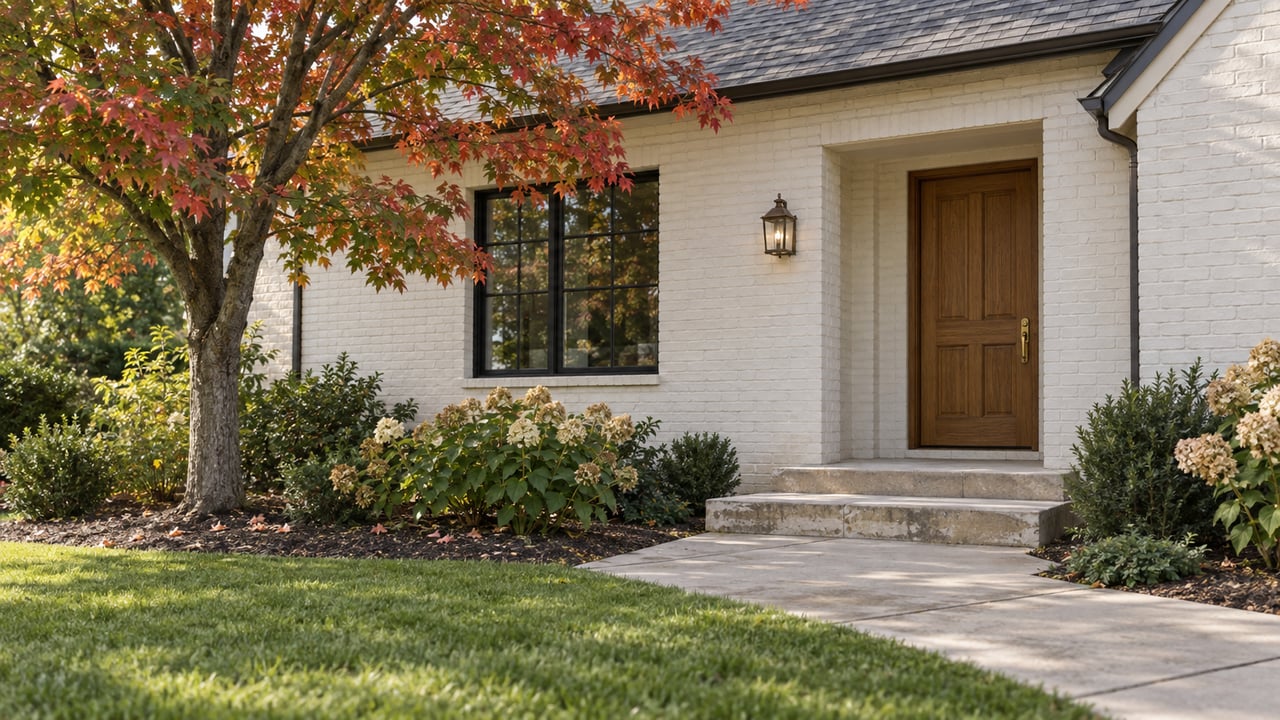
- Improve curb appeal and tidy exterior details.
- Prioritize the living room, primary bedroom, and kitchen.
- Use right-sized furniture and keep period details visible.
- Schedule professional listing photos after staging is complete.
This kind of plan respects what makes an older La Grange home special while still meeting what today’s buyers expect. It is not about making your home look generic. It is about helping buyers connect with it quickly.
When staging is done well, your home can feel timeless instead of dated, polished instead of overdone, and memorable for the right reasons. If you are preparing to sell in La Grange and want a strategy built around presentation, pricing, and strong marketing, The Tully Team can help you put your home on the market with confidence.
FAQs
Should you remove original details when staging an older La Grange home?
- No. If original details are clean and in good repair, they should usually be emphasized because La Grange’s historic character is part of the home’s appeal.
Which rooms should you stage first in a La Grange home?
- The top priorities are usually the living room, primary bedroom, and kitchen, based on NAR’s 2025 staging profile.
Is virtual staging enough for an older La Grange home?
- Usually not. Virtual staging can support marketing, but physical staging is still viewed as more important by many clients.
What should sellers do before staging a La Grange house?
- Start with decluttering, deep cleaning, curb appeal, minor repairs, and paint touch-ups.
How much does home staging usually cost before listing?
- NAR’s 2025 report found a median spend of $1,500 when sellers used a staging service.