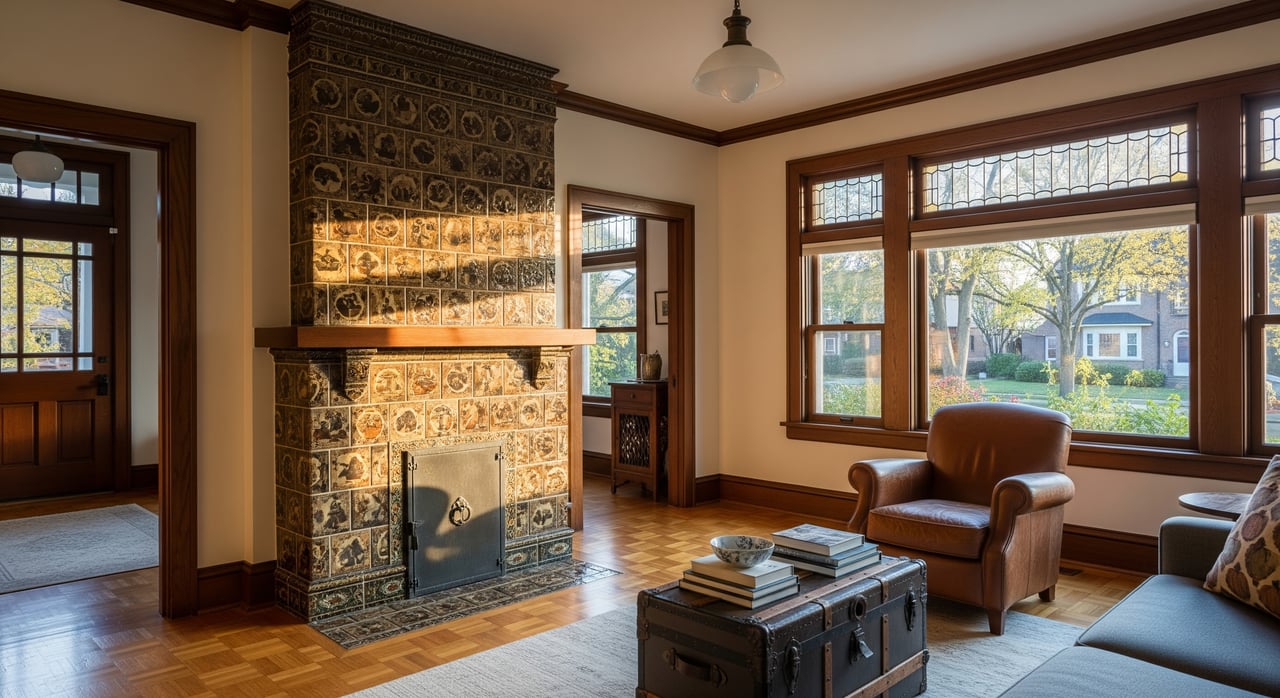
Are you planning an estate or downsizing sale in Western Springs and not sure where to start? You may be juggling documents, family decisions, and a home that needs prep before listing. You want a respectful, efficient sale that protects your time and maximizes proceeds. In this guide, you’ll learn how the local market works, which sale methods fit your goals, what legal and tax items to consider, and a step-by-step plan to move forward with confidence. Let’s dive in.
Western Springs market at a glance
Western Springs is a mature, mostly single-family suburb in Cook County with steady demand and a mix of classic homes and newer renovations. Buyers here often prefer move-in-ready homes with refreshed kitchens and bathrooms, finished basements, or attached garages. Homes that need significant updates typically take longer to sell unless priced as as-is.
Seasonality matters. Spring and early fall are traditionally strong listing windows, though well-presented homes can sell any time of year. If probate or multiple heirs are involved, build in extra time for approvals and documents.
Before you pick a price or date, review recent comparable sales and active inventory from the local MLS, plus days on market. Check Cook County property records for tax history and the current assessed value. School district data and local amenities can influence buyer interest and pricing strategy.
Choose your sale path
Every estate or downsizing sale is different. Start by clarifying your priorities: speed, simplicity, or maximizing net proceeds. Then select the approach that fits.
Valuation options
- Comparative Market Analysis (CMA). A CMA from a local agent helps you set a competitive price based on current comps and trends.
- Licensed appraisal. If probate or equitable heir distribution requires a formal value, order an appraisal for defensible documentation.
- Online estimates. These are broad estimates and should not replace a CMA or formal appraisal for estate decisions.
Sale methods and trade-offs
- Traditional MLS listing with full service
- Pros: broad exposure, professional marketing, and experienced negotiation.
- Cons: prep time and show-ready condition required; you pay commission.
- Estate sale plus private listing
- Pros: clears belongings, may fund light prep and improves presentation.
- Cons: more coordination and vendor fees.
- As-is sale to an investor or iBuyer
- Pros: fastest route with minimal prep.
- Cons: lower expected net due to repair risk priced in by buyers.
- Auction
- Pros: quick if marketed well; can work for unique properties.
- Cons: price can be unpredictable and fees apply.
- Turnkey “clean-out and sell” solutions
- Pros: one point of contact for staging, cleaning, and listing logistics.
- Cons: may cost more than hiring vendors separately; review itemized fees.
Pricing strategies that fit your goals
Set your strategy based on your timeline, budget for prep, and condition.
- Market-ready pricing. You complete light updates and staging to meet buyer expectations. This often increases perceived value and can raise net proceeds, though it requires time and modest upfront costs.
- As-is pricing. You sell as-is to reduce time and effort. Expect a discount to reflect deferred maintenance and buyer uncertainty.
- Transparency tools. Consider a pre-listing inspection and clear disclosures. This can reduce renegotiation, inspection surprises, and closing delays, which is especially helpful for estates.
Legal and tax basics in Illinois and Cook County
Estate sales can be straightforward if title and documents are in order, but each case is unique. Keep the overview below in mind and involve professionals when needed.
- Probate and title. Whether probate is required depends on how the property is titled and the estate plan. Executors and administrators must inventory assets, obtain valuations, pay debts, and distribute proceeds according to the will or state law.
- Documents to gather. Death certificates, will or trust documents, the original deed, mortgage payoff details, title insurance if available, property tax records, utility account list, keys and remotes, and a personal property inventory.
- Federal and state tax considerations. Many inherited properties receive a step-up in basis to fair market value at the date of death for federal income tax purposes. This can reduce capital gains on a later sale, but the rules are nuanced. Illinois has its own estate tax threshold, separate from federal rules. Always confirm specifics with a CPA or tax attorney.
- Property taxes and proration. Cook County taxes are billed on a set schedule and are based on assessed values. It is common to prorate property taxes at closing.
- Permits and disclosures. Material work, such as electrical, plumbing, or structural changes, should be permitted per village rules. Illinois requires property condition disclosures for sellers.
Professionals to consider: an estate attorney for probate questions, a CPA or tax advisor for capital gains and basis issues, a licensed appraiser for formal valuation, and a title company or real estate attorney for closing and title review.
Prepare the property: a simple sequence
A clear plan reduces stress and helps you move from decisions to listing day with fewer surprises.
- Inventory and documentation
- Create a room-by-room list of personal property and photograph high-value items.
- Keep a shared file for heirs with receipts, estimates, and decisions.
- Secure and insure
- Change locks if needed and confirm the property is properly insured during vacancy.
- Keep utilities on for showings and to protect the home, especially in winter.
- Declutter and depersonalize
- Remove personal photos and memorabilia so buyers can picture themselves in the space.
- Choose an estate sale, auction, consignment, donation, or bulk removal for belongings. Document where items go to avoid later disputes.
- Assess repairs and budget
- Get bids for high-impact, cost-effective updates such as paint, flooring refresh, lighting, and minor kitchen or bath improvements.
- Compare costs to likely price uplift and timeline.
- Stage and photograph
- Professional staging and high-quality photos increase online appeal and perceived value.
- Present rooms with clear purpose and good lighting. Show storage and functional spaces.
Cost notes: real estate commissions are negotiable; estate sale companies often charge 20 to 50 percent of gross proceeds based on services provided; minor staging and paint usually require a modest budget, while larger renovations are more significant and should be weighed carefully against expected returns.
Timeline and workflow you can follow
Your exact timeline depends on probate needs, the condition of the home, and market dynamics. Use these ranges as planning guidance.
Recommended workflow
- Gather documents and align with co-heirs on goals and decisions.
- Consult an estate attorney if probate or title is unclear.
- Order a formal appraisal if required and request a CMA from a local agent.
- Choose your sale method and define scope of repairs or as-is terms.
- Schedule decluttering, estate sale, donation pickups, or clean-out.
- Complete selected repairs and staging.
- List the property, manage showings, and negotiate offers.
- Coordinate closing, including payoffs, title work, and tax and utility prorations.
- Distribute proceeds per the will or state law after obligations are met.
Typical timing
- Probate determination and executor appointment: weeks to several months.
- Pre-listing prep: 2 to 8 weeks or more, depending on scale.
- Market time once listed: days for well-priced, move-in-ready homes, to several months for homes needing work or priced above market.
- Contract to close: usually 30 to 45 days, sometimes longer if title or probate steps are pending.
Common pitfalls to avoid
- Delayed securing of the property. Keep utilities on and protect the home to avoid damage or deterioration.
- Verbal-only agreements among heirs. Document decisions, cost sharing, and timelines in writing to reduce conflicts.
- Underestimating repair scope. Get written bids and confirm permits when needed.
- Skipping a formal valuation when required. Appraisals provide defensible value for probate and equitable distributions.
- Relying only on automated online estimates. Use local MLS data, a CMA, and professional judgment for pricing in Western Springs.
How we can help in Western Springs
You deserve a process that is organized, respectful, and focused on results. Our listing approach brings together presentation, pricing, and marketing to reduce stress and lift your net proceeds.
- Concierge listing preparation. In-house staging guidance, professional photography and video, and a clear plan to present your home at its best.
- Evidence-based pricing. A data-backed CMA and strategy that reflect current Western Springs comps, days on market, and buyer expectations.
- Targeted marketing. Digital campaigns designed to reach qualified buyers who value turnkey homes in established neighborhoods.
- Hands-on management. We coordinate the details from prep through close so you can focus on decisions, not logistics.
Ready to talk through your options, from market-ready to as-is? Reach out to The Tully Team for a no-pressure conversation about timing, pricing, and the steps that fit your goals.
FAQs
When is the best time to sell in Western Springs for an estate or downsizing sale?
- Spring and early fall are traditionally strong, but well-presented listings can sell year-round; align your timing with probate requirements and property readiness.
Do I need probate to sell an inherited home in Illinois?
- It depends on how title is held and the estate plan; consult an estate attorney to confirm whether probate is required and who has authority to sign.
Should I renovate or sell as-is for a Western Springs home?
- Small cosmetic updates often improve marketability and net proceeds, while major renovations may not pay off; weigh costs against likely price uplift and timeline.
How are Cook County property taxes handled at closing?
- Taxes are typically prorated at closing based on the billing schedule and assessed values; your title company or attorney will calculate the proration.
What documents do heirs need before listing an estate home?
- Gather death certificates, will or trust, deed, mortgage payoff details, any title policy, property tax records, utility list, keys, and a personal property inventory.
How long does an estate or downsizing sale usually take?
- Prep can take 2 to 8 weeks or more, time on market varies by condition and price, and closing usually takes 30 to 45 days once you accept an offer.
Ready to start your plan or get a pricing read on your Western Springs home? Connect with The Tully Team for local guidance and a concierge-level listing approach that helps you move forward with clarity.