Thinking about buying a historic home in La Grange? It is easy to fall for the charm first. Wide porches, original windows, detailed trim, and storybook rooflines can make these homes feel truly special. But before you fall in love with the character alone, it helps to understand how age, maintenance, permits, and preservation rules may shape your plans. Let’s dive in.
Why La Grange Historic Homes Stand Out
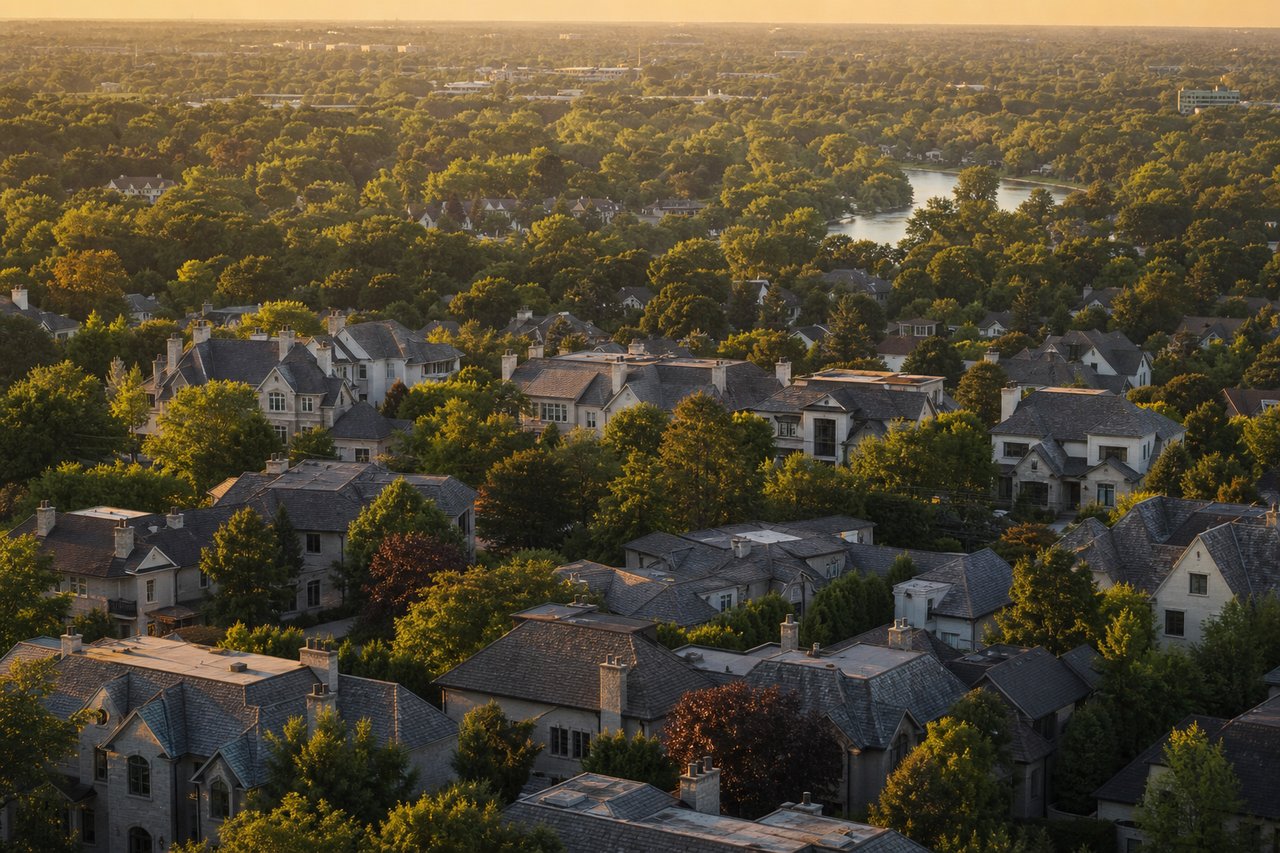
La Grange’s older housing stock is a big part of the village’s identity. The village incorporated in 1879, and its historic district was added to the National Register of Historic Places in 1979. According to the Village of La Grange history page, the district includes notable architectural styles such as Prairie School, Late Victorian, and Queen Anne, with periods of significance from 1850 through 1924.
You will also find that older homes are a meaningful part of the broader housing mix, not just a small pocket of the village. The same village source notes that 37.6% of housing units were built before 1940, and the median year built is 1951. That means you may tour a true historic home on one block and a mid-century property nearby.
In many cases, these homes are still used much like other detached single-family houses in the village. The CMAP community data snapshot shows that La Grange’s housing stock is mostly detached single-family homes. For buyers, that means the purchase process may feel familiar, even when the house itself has a much longer story.
Check Historic Status Carefully
One of the biggest mistakes buyers can make is assuming that every older-looking house is officially part of the historic district in the same way. Age, designation, and preservation status can vary from property to property, even on the same street. That is why it is important to verify the exact parcel and district status before you make renovation plans.
The National Park Service FAQ page notes that its district database does not include every address within a historic district. In other words, a home may sit in a historic area without every online source clearly spelling out its status. If you want a fuller picture of a property’s background, the La Grange Area Historical Society offers public house files, photos, newspaper clippings, and research hours that can help you learn more.
Architectural Styles You May See
One reason buyers love La Grange is the variety. Historic homes here are not all one look or one era. Based on local walking tour materials from the La Grange Area Historical Society, you may see Queen Anne, late Victorian, Italianate, Second Empire, Shingle Style, Colonial Revival, Craftsman, Prairie-type, American Foursquare, and bungalow homes throughout the district.
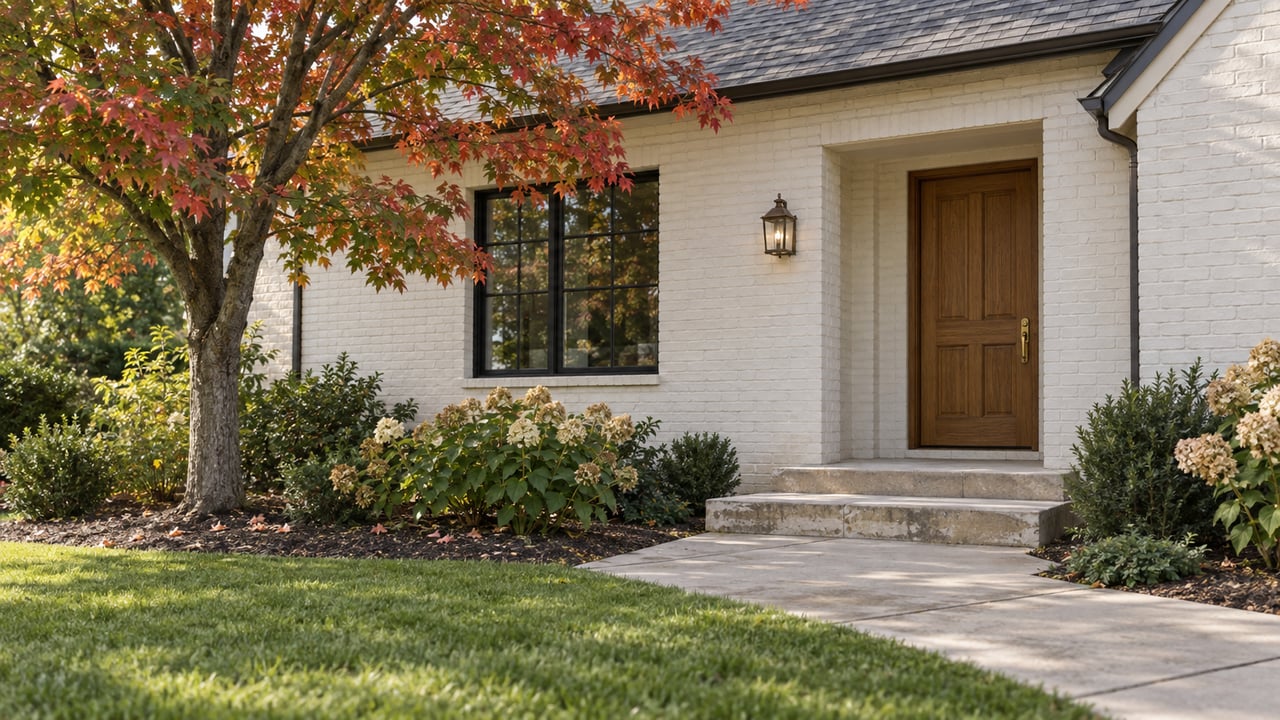
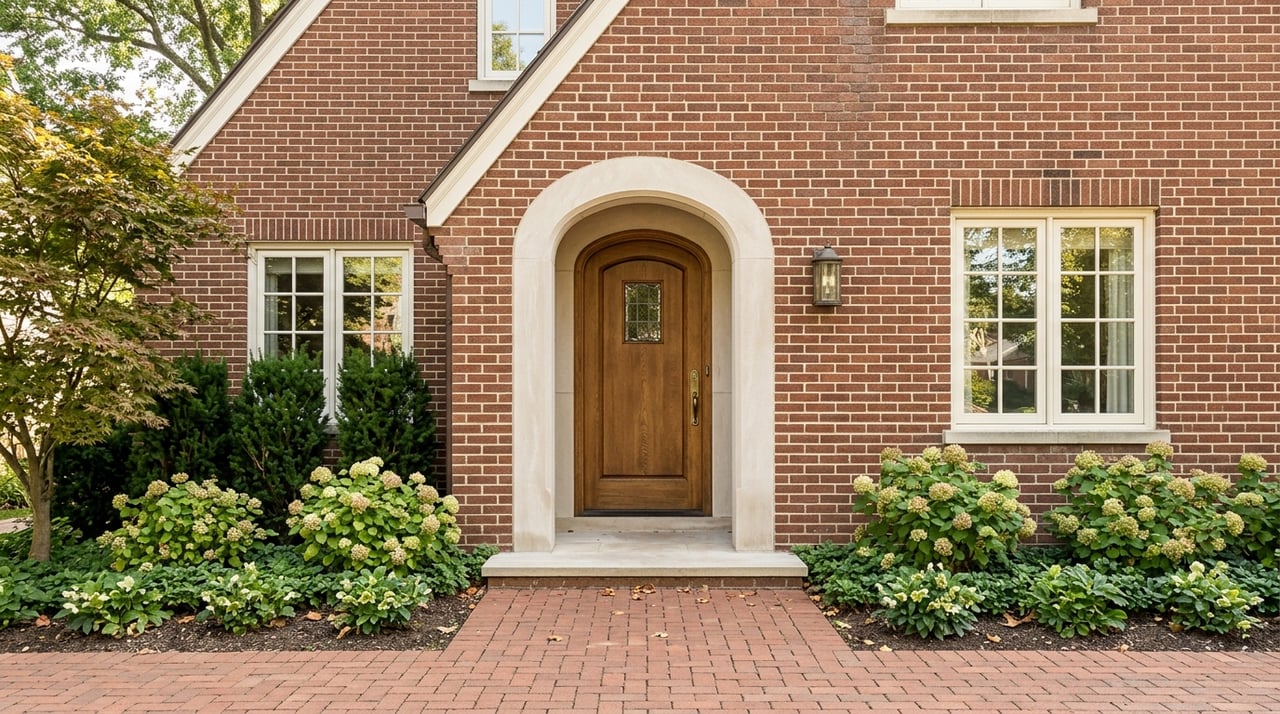
That mix gives different blocks their own feel. Some homes lean ornate and highly decorative, while others are more balanced and understated. As you tour homes, it helps to focus on the architectural details that give each property its identity.
Common features called out in the same walking tour materials include:
- Front porches
- Turrets
- Leaded or ribbon windows
- Decorative shingles
- Dormers
- Classical columns
- Paired windows
- Mansard roofs
- Gambrel roofs
- Hipped roofs
- Steeply pitched gables
These features often add to a home’s appeal, but they can also influence future repair decisions. If you love the original character, you may want to plan improvements that protect those details rather than replace them.
Expect Ongoing Maintenance Needs
Historic homes can be rewarding to own, but they usually need a thoughtful maintenance mindset. In many cases, the biggest concerns are not dramatic. They are the steady, practical items that keep an older house performing well over time.
According to National Park Service guidance on moisture and historic building care, common trouble spots include roofs, gutters, downspouts, masonry joints, cracks around windows and doors, and foundation drainage. The same guidance also notes that loose windows and doors, plus gaps around plumbing or electrical penetrations, are common sources of air leakage.
In La Grange, buyers should pay especially close attention to systems and exterior components that may need updating or repair, such as:
- Roofing
- Gutters and downspouts
- Masonry repointing or tuckpointing
- Window repair or weatherstripping
- Insulation and air sealing
- HVAC modernization
- Electrical updates
- Plumbing updates
- Foundation waterproofing
These items are not unusual for older homes, but they can affect your budget and timeline. A beautiful historic property may still need practical work behind the walls or around the exterior envelope.
Renovate Without Losing Character
If you plan to update a historic home, the goal is often balance. You want comfort and efficiency, but you also do not want to erase the details that made you love the house in the first place.
For windows, the National Park Service recommends repair before replacement whenever possible. When replacement is necessary, the guidance says the new windows should match the original in design, color, texture, and, where possible, materials. That is an important point if you are budgeting for improvements, because a preservation-minded project may look different from a standard full-window replacement plan.
Energy upgrades are possible too. The National Park Service energy guidance suggests starting with an energy audit and focusing on air infiltration, efficient HVAC and electrical systems, window and door repair, and insulation in attics, basements, or crawlspaces. The goal is to improve performance while avoiding overly tight sealing that could create moisture problems in an older house.
Know La Grange Permit Rules
Before you start any work, it is important to understand what the village may require. La Grange’s permit guidance says projects such as kitchen and bath remodels, structural changes, porch work, decks, garages, siding, and foundation waterproofing can involve permits. The same guide also states that work completed without a permit is subject to a double permit fee.
The good news is that not every project needs one. According to the Village of La Grange permit page, painting, weatherstripping, insulating, and same-size window or door replacement generally do not require a permit. Even so, it is smart to confirm requirements before work begins, especially if the home is in an area with additional design review.
Understand the Design Review Overlay
For some buyers, this is the most important part of the research process. La Grange uses a Design Review Overlay District in addition to base zoning. The village code says the overlay is intended to promote the village’s historic, architectural, and residential qualities and preserve its distinctive character.
Under the Design Review Overlay District code, exterior construction, alteration, remodeling, removal, movement, or demolition in the district generally requires a Design Review Permit when a village permit is otherwise required. If the overlay and base zoning conflict, the more restrictive rule controls. In practical terms, exterior compatibility matters more here than it would in many standard suburban neighborhoods.
That does not mean you cannot make changes. It means you should go in with a clear understanding that exterior work may involve another layer of review.
What National Register Listing Really Means
Many buyers hear “National Register” and assume strict federal control over what they can do with the home. In most owner-occupied situations, that is not the case. The National Park Service explains that National Register listing is largely honorary for private owners and places no federal restrictions on a non-federal owner unless a project involves federal assistance.
La Grange’s historic district information similarly explains that listing recognizes significance, rather than forcing public access or requiring restoration. So if you buy a historic home, the bigger day-to-day issue is often local review and permitting, not federal oversight.
Look Into Historic Incentives
If you are buying an owner-occupied historic home and planning a substantial rehabilitation, Illinois may offer a meaningful benefit. The Illinois Property Tax Assessment Freeze Program is available for historic, owner-occupied residences and is free to apply for. The application must be submitted before construction starts, and the project must meet spending and review requirements.
The state says eligible work can include:
- Roof repairs or replacement
- Historic window repair
- Repointing
- Painting
- Mechanical upgrades
- Drainage improvements
One key detail is that local approval alone is not enough. Review by the Illinois State Historic Preservation Office is separate and independent. If this program may matter to your budget, it is worth learning the rules early.
For buyers considering a rental or mixed-use historic property, there may also be a federal incentive to review. The 20% federal historic rehabilitation tax credit generally applies to business or other income-producing use, so it is usually not the primary incentive for a typical owner-occupied La Grange purchase.
A Smart Buying Approach
If you are serious about buying a historic home in La Grange, a little extra homework can save time and stress later. These homes can offer character that is hard to replicate, but they tend to reward buyers who look beyond surface charm.
A practical approach includes:
- Verify the property’s exact historic and district status.
- Review visible exterior features you may want to preserve.
- Budget for maintenance items common in older homes.
- Confirm permit requirements before planning renovations.
- Ask whether the Design Review Overlay applies.
- Explore available historic incentives before construction begins.
- Research the home’s background through local historical resources.
When you understand both the charm and the responsibilities, you can buy with more confidence. And if you are weighing a historic home in La Grange or preparing to sell one with a story to tell, The Tully Team is here to help you navigate the details with clear advice and a thoughtful local strategy.
FAQs
What makes a home historic in La Grange?
- A home may be considered historic based on its age, architectural significance, or location within La Grange’s historic district, but you should verify the exact parcel and district status rather than assume based on appearance alone.
Do La Grange historic homes always require special approval for renovations?
- Not always, but exterior work in the Design Review Overlay District generally requires a Design Review Permit when a village permit is otherwise required.
Does National Register listing restrict what you can do with a La Grange historic home?
- For most private owners, National Register listing is largely honorary and does not create federal restrictions unless federal assistance is involved in the project.
What repairs are common in older La Grange homes?
- Common needs include roof and gutter work, masonry repointing, window repair, insulation and air sealing, HVAC updates, electrical modernization, plumbing updates, and drainage or foundation waterproofing.
Are there tax incentives for buying and renovating a historic home in La Grange?
- Illinois offers a Property Tax Assessment Freeze Program for qualifying historic, owner-occupied residences, and applications must be filed before construction starts.
Where can you research the history of a La Grange house?
- The La Grange Area Historical Society offers public house files, photographs, newspaper clippings, and research hours that can help you learn more about a specific property.