Looking for a home with real character in La Grange Park? You are not alone. Many buyers are drawn to the village’s older homes for their architecture, block-by-block charm, and sense of history, but vintage appeal also comes with practical questions about condition, maintenance, and renovation. If you are thinking about buying an older home here, this guide will help you understand what makes La Grange Park’s vintage housing stock special and what to watch before you buy. Let’s dive in.
Why vintage homes stand out here
La Grange Park has a strong connection to older housing. The village describes itself as known for historic homes and tree-lined streets, with housing that ranges from early-1900s properties to newer construction. That mix gives buyers a chance to find homes with personality while still staying close to major highways and nearby Metra service.
The local housing stock also backs up that reputation. CMAP data show a median year built of 1956, with 67.1% of homes built from 1940 to 1969 and 14.3% built before 1940. In other words, if you are shopping in La Grange Park, you are very likely to come across homes with original details, older construction methods, and long ownership histories.
The village is also mostly single-family detached and owner-occupied. That often means you will see homes that have been cared for over time, though each property will still have its own level of updating and maintenance. For buyers, that makes careful evaluation especially important.
Where older homes are found
Not every part of La Grange Park developed at the same time. According to the village’s comprehensive plan, the earliest-developed area is west of La Grange Road, where many homes date to the late 1800s and early 20th century. The east side is mostly post-World War II.
That difference matters when you are searching. If you want a home with deeper historic roots, west of La Grange Road may offer more of that older architectural character. If you like vintage style but want a home from a slightly later era, you may find more options in postwar sections of the village.
What “vintage charm” usually means
In La Grange Park, vintage charm is about more than age. The village points to architectural variety and visual richness across its neighborhoods, including Victorian, bungalow, Arts and Crafts, Craftsman, four-square, and Joern homes from different decades.
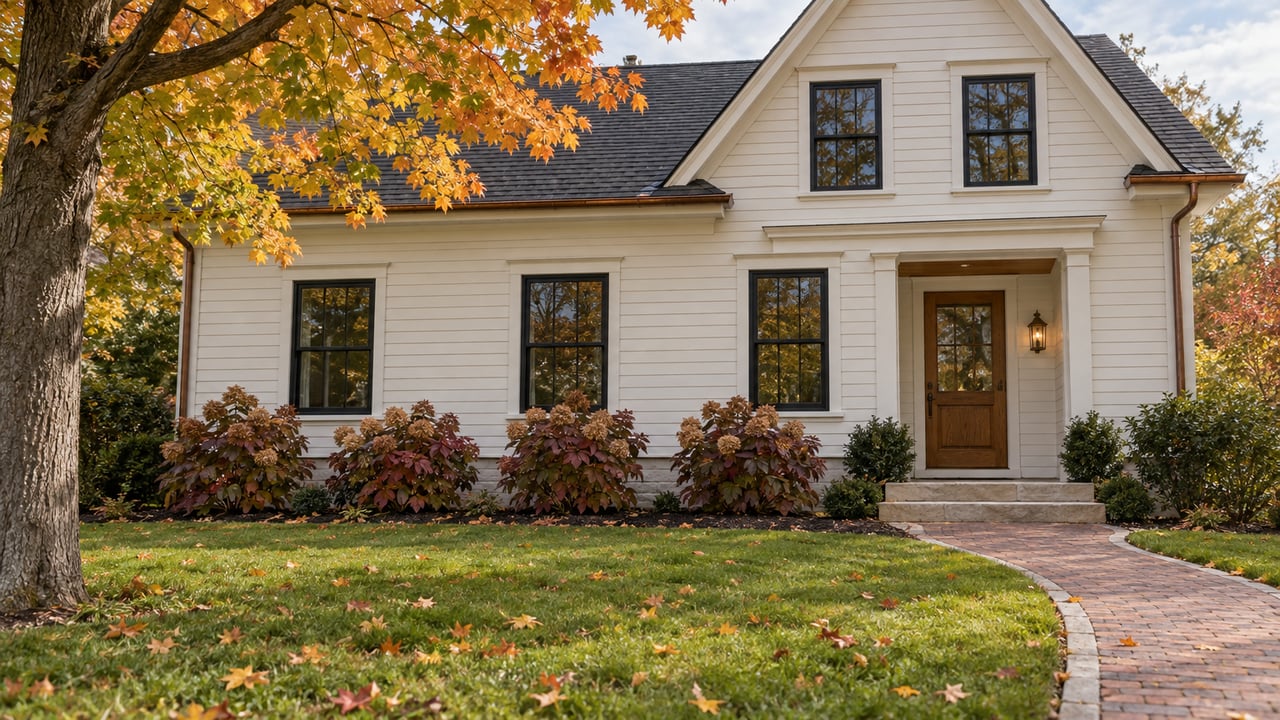
You may also notice details that buyers tend to love, such as large front porches, stained glass, brick, stucco, and wood exteriors. The village even refers to itself as a “front porch community,” which helps explain why the appeal here often goes beyond the house itself. You are also buying into a certain streetscape feel, with porches, front yards, and walkable blocks that shape the day-to-day experience.
That mix of smaller older homes and larger stately homes on the same street can make home shopping here especially interesting. Two houses built in the same general era may offer very different layouts, materials, and renovation histories.
What to check before you buy
Charm should never distract you from the basics. In an older home, the visible character features may be the easiest part to appreciate, but the bigger costs often come from systems, materials, and deferred maintenance.
A thorough inspection is one of the most important parts of buying a vintage home. It can help you understand what is original, what has been updated, and what may need attention soon after closing.
Lead paint in pre-1978 homes
If the home was built before 1978, lead-based paint is a real consideration. The EPA says older homes are more likely to contain lead-based paint, and sellers must disclose known lead-based paint information before contract.
If you are considering renovations, this matters even more. Work that disturbs lead paint must use lead-safe practices, and a certified inspector or risk assessor can identify lead paint and related hazards before you move forward.
Asbestos in older materials
Asbestos is another issue that can come up in older homes. The EPA notes that you cannot tell by sight whether a material contains asbestos.
If materials like old floor tile, ceiling tile, or pipe wrap are damaged, or if planned renovation could disturb them, the material should be sampled by a properly trained and accredited asbestos professional. This is especially important if you are buying with plans to remodel right away.
Windows, masonry, and original features
Original features are often a big part of why buyers fall in love with vintage homes. But it helps to know that “old” does not always mean “must replace.”
For windows, National Park Service guidance says historic windows in many buildings have lasted more than 100 years and can continue to perform well with regular maintenance. A window-by-window inspection is often smarter than assuming full replacement is necessary.
For brick and masonry homes, repairs should be handled carefully. National Park Service guidance recommends repointing only where needed and matching the old mortar in strength, composition, color, and texture. Using the wrong mortar or harsh cleaning methods can actually speed up deterioration.
Renovation planning in La Grange Park
If you buy a vintage home, your first year may include a mix of repairs, cosmetic updates, and longer-term projects. That is why it helps to understand how local permits work before you make an offer.
The village says updated building codes took effect on September 9, 2025. It also notes that most permits are reviewed in about 2 to 3 weeks, while certain express permits can be approved in 72 hours or less for common projects like roofs, water heaters, windows and doors, siding, gutters, and chimney rebuilds.
Contractors must have current licensing and registrations before a permit is released. If you are budgeting both time and money, this is worth keeping in mind. A project may look simple on paper, but your timeline can still depend on permit review, contractor readiness, and specialty trades.
What may not need a permit
Some smaller repairs and maintenance items may be exempt. According to the village’s permit-exception list, painting, flooring, tuckpointing or stucco repair, minor plumbing or electrical repairs, minor HVAC or boiler maintenance, and repair of one window or one door do not require permits.
That said, bigger projects are a different story. Replacing more than one window or door is more likely to trigger permit requirements, so it is smart to verify the rules for the specific work you have in mind.
How to budget for vintage charm
A vintage home can be a great fit if you love character and are comfortable planning for upkeep. The key is to treat charm and maintenance as two parts of the same decision.
As you compare homes, think about the likely near-term costs after closing. A house with original windows, older masonry, or dated finishes may still be the right buy if the structure has been cared for and the needed work fits your timeline and budget.
It can help to separate projects into three buckets:
- Safety and health items, such as lead-related work or asbestos testing when materials may be disturbed
- Core house systems, such as mechanical, electrical, or plumbing updates identified during inspection
- Character-preserving improvements, such as window repair, masonry maintenance, or restoring older finishes
That approach can keep you from overreacting to an older home’s age while still staying realistic about ownership costs.
How to shop smarter in La Grange Park
When you tour vintage homes here, try to look past surface-level staging and focus on the full picture. Architecture, lot, block character, and condition all matter, but so does how much work you are willing to take on.
A smart buying strategy usually includes:
- Reviewing the home’s approximate era and likely materials
- Asking what major updates have already been completed
- Noting features that may require specialist review before renovation
- Understanding local permit timing for the projects you would want to do
- Deciding whether you want a move-in-ready home or a house with restoration potential
That kind of planning can help you avoid buying a home for its charm alone. It also helps you compete more confidently when the right property comes up.
Vintage homes can offer warmth, personality, and a sense of place that newer construction often cannot replicate. In La Grange Park, that appeal is especially strong because the village has a broad mix of home styles, eras, and established streetscapes. If you want help weighing charm against cost, condition, and future resale, The Tully Team can help you make a smart, informed move.
FAQs
What kinds of vintage homes can you find in La Grange Park?
- La Grange Park includes a mix of Victorian, bungalow, Arts and Crafts, Craftsman, four-square, and Joern homes, along with other homes from the 1940s through 1960s.
Where are the oldest homes in La Grange Park located?
- According to the village’s comprehensive plan, the earliest-developed area is west of La Grange Road, where many homes date to the late 1800s and early 20th century.
Should you worry about lead paint in a La Grange Park home?
- If the home was built before 1978, yes. The EPA says older homes are more likely to contain lead-based paint, and sellers must disclose known lead-based paint information before contract.
Do La Grange Park vintage home projects always need permits?
- No. The village says several minor repairs and maintenance items are exempt, including painting, flooring, and repair of one window or one door, but larger projects may require permits.
When should you hire a specialist for an older home in La Grange Park?
- You should involve lead-safe certified renovators when work may disturb lead paint, and a trained or accredited asbestos professional if suspected asbestos-containing materials may be disturbed.
Are original windows always a problem in vintage homes?
- Not necessarily. National Park Service guidance says historic windows can often continue working well with regular maintenance, so a window-by-window inspection is usually the best approach.