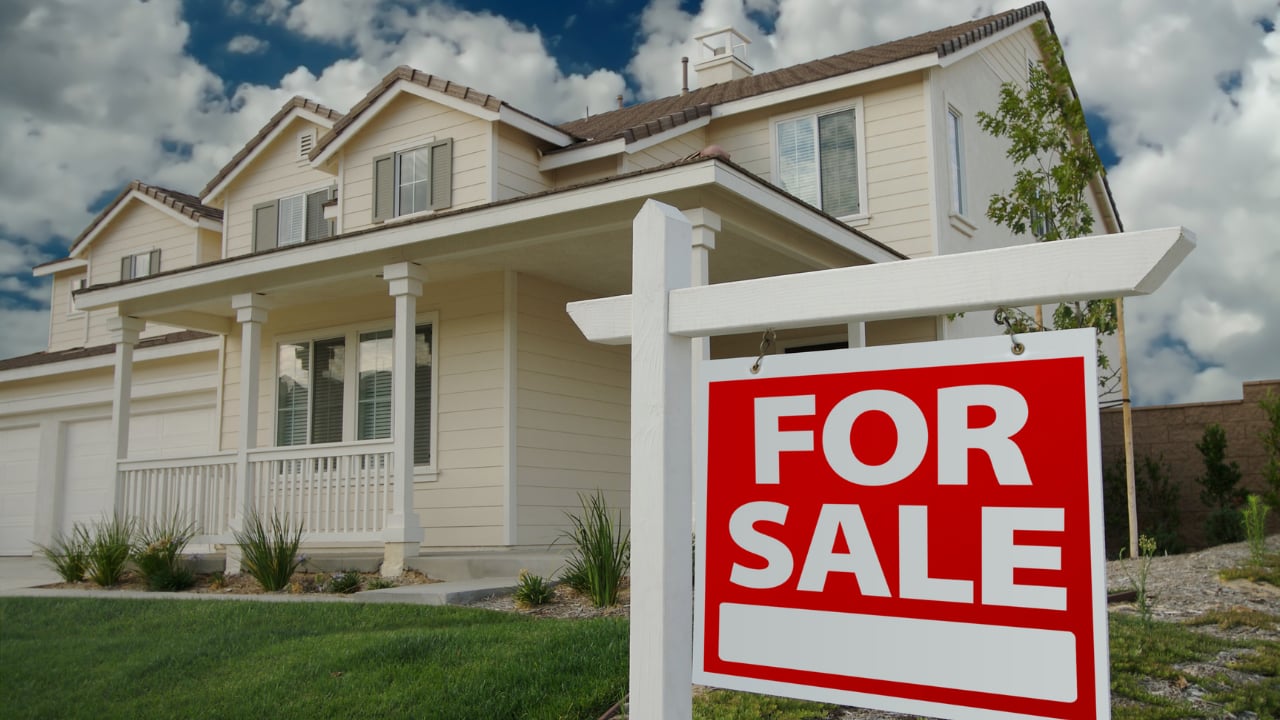
One of the biggest misconceptions I hear from sellers is that if there is not much on the market, buyers will pay whatever price is asked. I understand why people think that, especially in places like Downers Grove and the western suburbs of Chicago where inventory can feel tight and good homes still get attention. But low inventory does not make up for an overpriced home.
Sometimes Agents Are Put in a Tough Position on Price
One part of this conversation that sellers do not always see is what happens behind the scenes with their agent. In some cases, an agent gives clear advice on pricing based on market data, comparable sales, and buyer behavior, but the seller still wants to list higher. At that point, the agent is put in a difficult position. They can push hard and risk damaging the relationship, or they can move forward at the seller’s preferred price while continuing to advise them along the way.
That happens more often than people think. Many agents choose to preserve the relationship, keep communication open, and let the market provide the feedback. They do that because real estate is not just about one conversation. It is often about a long-term relationship, trust, and helping the client come to the right conclusion. The problem is that by the time the market proves the home is overpriced, the listing may already have lost valuable momentum.
Low Inventory Does Not Make Buyers Ignore Price
Sellers sometimes assume that because inventory is low, buyers will stretch no matter what. That is simply not how the market works. Buyers in Downers Grove, Hinsdale, Glen Ellyn, Lombard, Wheaton, Naperville, and other western suburbs are still comparing homes carefully. They are looking at location, condition, updates, lot size, layout, school districts, and recent comparable sales. They are also paying close attention to affordability and monthly payment.
Low inventory can absolutely help a well-priced home stand out. What it does not do is rescue a home that is priced above what the market will support. Buyers may have fewer options, but they still know when a home feels overpriced.
What Happens When a Home Starts to Sit
I have seen this firsthand. I have had clients tell me there was nothing else out there, so they assumed buyers would stretch. I have also had a sellers ignore my pricing advice completely, only to have their properties continue to sit on the market for months. That is exactly the kind of situation sellers need to understand before they price a home based on hope instead of strategy.
The first days and weeks on the market are usually the most important. That is when a listing gets the most attention online, the most showing activity, and the best chance to create urgency. If the home is priced correctly from the beginning, that attention can turn into strong interest and solid offers. If it comes out too high, buyers hesitate, and that hesitation can cost a seller their best opportunity.

How a Listing Becomes Stale
A stale listing is not always a bad home. In many cases, it is simply a home that entered the market at the wrong price. Once a property sits too long, buyers begin asking questions. They wonder whether something is wrong with the house, whether the seller is unrealistic, or whether a price cut is coming.
Even a beautiful, well-maintained home in Downers Grove or the western suburbs can start to carry that stigma if it lingers on the market. The issue is often not the property itself. It is the way the property was positioned from day one.
Weird Price Changes Can Hurt Buyer Trust
Another mistake sellers make is changing the price in strange or inconsistent ways. Small reductions that do not really move the needle, multiple awkward adjustments, or bouncing the price around can create the impression that the seller is manipulative, unrealistic, or playing games. Even if that is not the intent, that is often how buyers read it.
Pricing should feel credible and deliberate. When buyers look at a listing history and see odd changes, it can make them cautious. Instead of feeling urgency, they start waiting. Instead of wanting to come in strong, they start looking for leverage. That is the opposite of what most sellers want.
Why Overpricing Weakens Your Position
When a home is overpriced, it usually does not create leverage. It weakens it. Buyers become skeptical, showing activity slows down, and the seller loses negotiating power. In many cases, a seller who starts too high ends up chasing the market rather than leading it.
By the time the price is finally adjusted to where it should have been from the beginning, the listing may already feel old. Buyers who may have paid a strong price early on now start wondering how much lower the seller will go. That shift in perception can directly affect the final outcome.
The Appraisal Still Has to Support the Price
There is also the appraisal side of the equation. Even if a buyer likes the home, financed deals still have to make sense on paper. Appraisers are looking at recent comparable sales, not just at whether inventory feels low. If the price is not supported by the market, the home can appraise low, leading to renegotiation, delays, or a failed contract.
Low inventory in Downers Grove or the western suburbs of Chicago does not change that reality. Pricing still has to be grounded in what the market will support.
Smart Pricing Creates Leverage
The goal is not to underprice a home. The goal is to price it in a way that attracts attention, builds confidence, and creates competition. In a market like Downers Grove and the western suburbs of Chicago, buyers still respond to value. A home that is priced correctly from day one has a much better chance of standing out for the right reasons and selling with stronger terms.
If you are thinking about selling, do not assume low inventory alone will carry the price. The homes that perform best are the ones that combine presentation, timing, and realistic pricing from the start. If you want to talk through what your home could realistically sell for in Downers Grove or the western suburbs of Chicago, I would be happy to help you build a strategy that works.
The information in this article is based on professional experience and opinion and is intended for general informational purposes only. It should not be considered legal, tax, financial, or appraisal advice. For advice specific to your situation, please consult the appropriate licensed professional.